
Silence the Barks: Taming German Wirehaired Pointers’ Barking
Your German Wirehaired Pointer just alerted you to a leaf blowing across the yard for the fourth time in ten minutes, and your neighbor’s blinds are twitching again. If you’re nodding along, you already know this breed doesn’t do anything halfway — including barking. The good news: silencing the barks isn’t about breaking your dog’s spirit, it’s about redirecting a hardwired hunting instinct into something manageable, and it’s entirely achievable in 4-8 weeks with the right approach.
Why German Wirehaired Pointers Bark So Much in the First Place
German Wirehaired Pointers (GWPs) were bred in 19th-century Germany as versatile hunting dogs expected to track, point, retrieve, and alert hunters to game across dense terrain. That last job — alerting — is baked into their genetics. Unlike a Labrador who barks occasionally out of excitement, a GWP’s bark is often functional communication tied to their prey drive and territorial instincts.
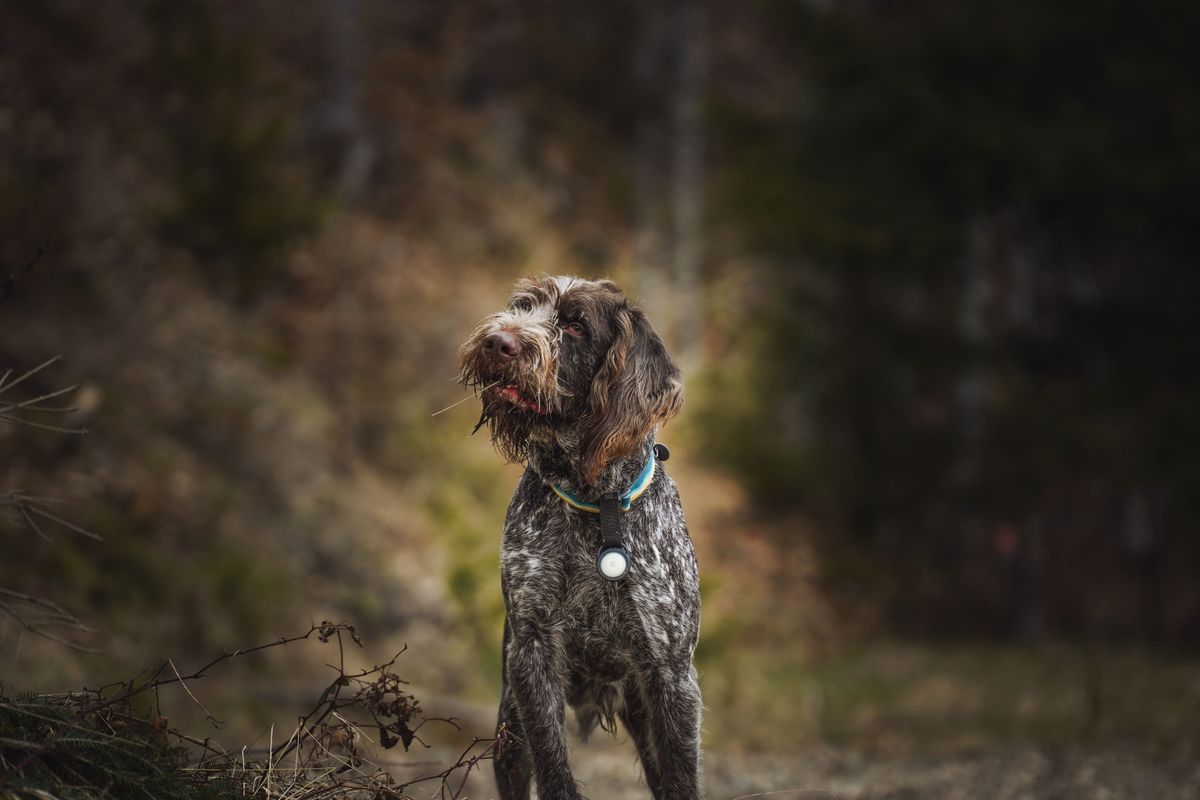
Studies on working gundog breeds show that dogs bred for alert-and-flush behavior have measurably lower bark-inhibition thresholds than companion breeds. In practical terms, this means your GWP’s brain is wired to vocalize first and think second when it detects movement, sound, or a perceived intruder. A GWP bark typically registers between 90-100 decibels at close range — comparable to a lawnmower or motorcycle — which is why even a few minutes of barking feels overwhelming in a house or apartment.
Understanding this origin matters because it changes your approach. You’re not fighting a behavioral flaw; you’re managing a genetic feature that needs an outlet. Silencing the barks of a German Wirehaired Pointer works best when you combine impulse-control training with legitimate outlets for their instincts — not just suppression.
The 6 Types of Barking Triggers You Need to Identify First
Before you can train against barking, you need to diagnose why it’s happening. Trainers who specialize in sporting breeds typically categorize excessive barking into six distinct triggers, and each requires a different fix.
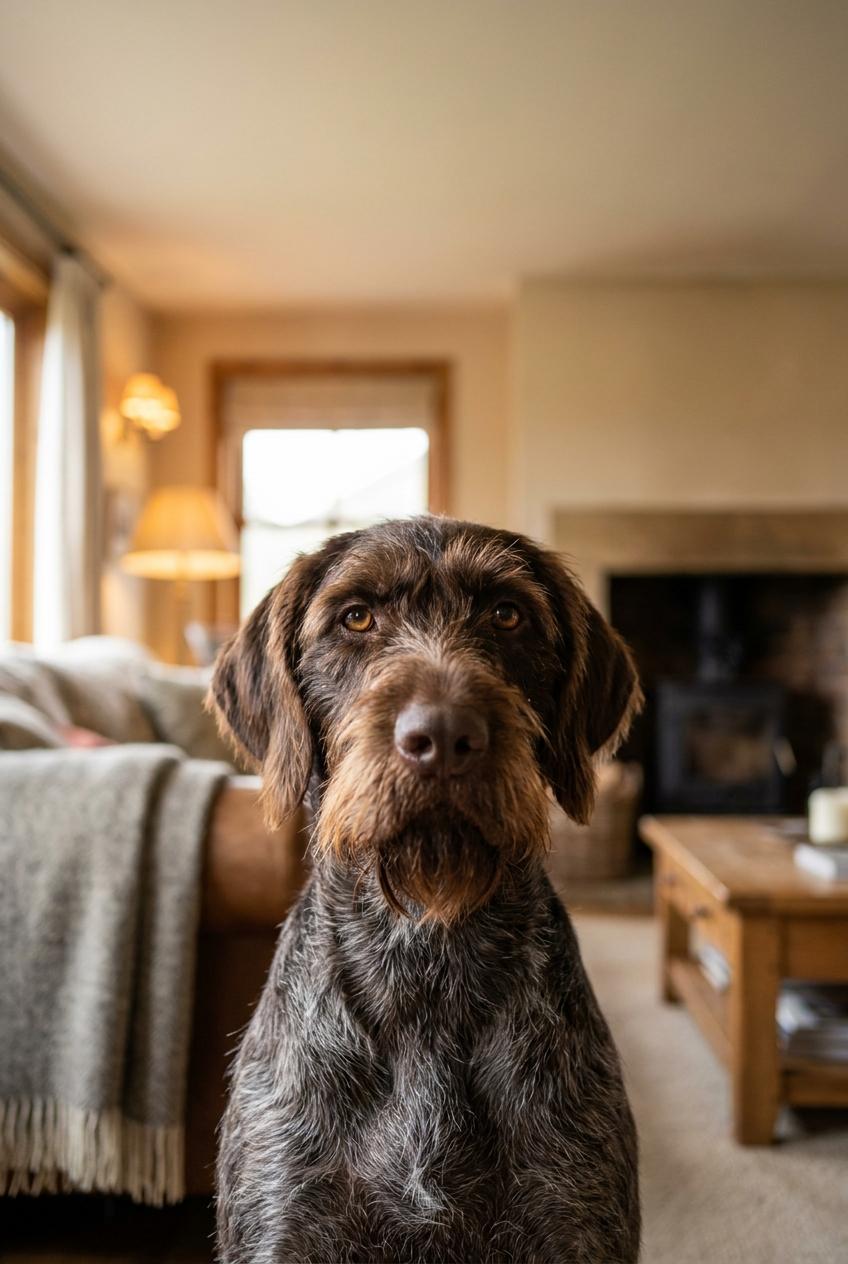
- Territorial barking: Triggered by people, dogs, or vehicles near the home. Often sharp, repetitive, and accompanied by stiff posture.
- Alarm barking: A single loud bark or burst in response to sudden noise (doorbell, car door, thunder).
- Attention-seeking barking: Directed at you, often paired with pawing or jumping, meant to get food, play, or a walk.
- Boredom/frustration barking: Repetitive, monotone barking when left alone or under-exercised — this is the most common GWP complaint we hear from owners.
- Prey-drive barking: Triggered by squirrels, birds, or small animals; higher pitched, often frantic.
- Anxiety-based barking: Whining mixed with barking, usually tied to separation or unfamiliar environments.
Spend three to five days simply logging when your dog barks, what triggered it, and how long it lasted. This single step saves weeks of misapplied training because a fix for boredom barking (more exercise) does nothing for territorial barking (which needs desensitization).
Silence the Barks: The 30-Day Foundation Training Timeline
Consistency beats intensity. Trying to fix barking in one marathon weekend session backfires because GWPs need repetition spread across weeks to build new default behaviors. Here’s a realistic timeline based on what actually works with high-drive sporting breeds.
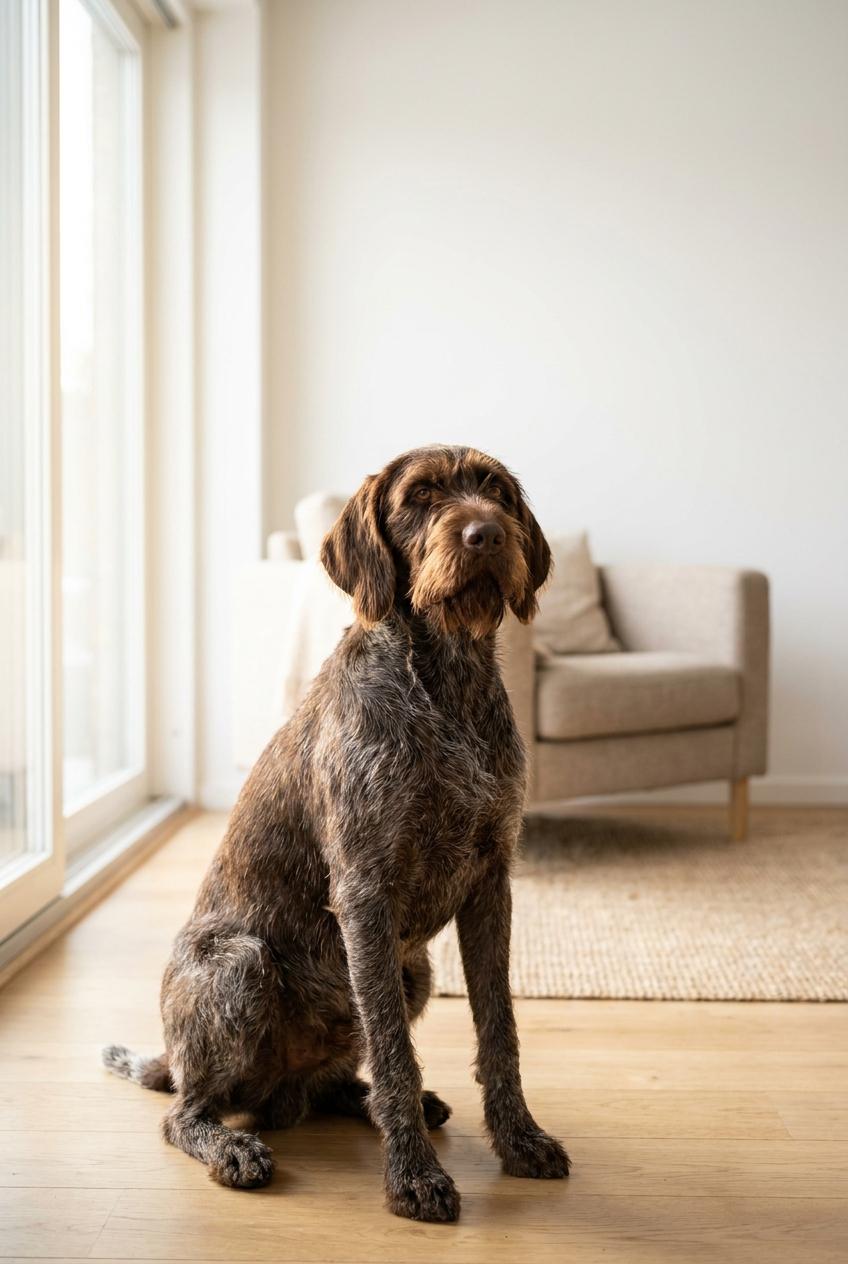
Week 1: Establish the Quiet Cue Foundation
Spend 5-10 minutes, twice daily, teaching the quiet command (detailed step-by-step below). Don’t attempt real-world application yet — this week is purely mechanical skill-building in a low-distraction room.
Week 2: Introduce Mild Real Triggers
Have a friend ring the doorbell or walk past a window at a controlled distance (15-20 feet). Practice interrupting the bark and rewarding silence within 1-2 seconds.
Week 3: Increase Difficulty and Duration
Ask your dog to hold quiet for 10, then 20, then 30 seconds before releasing them from the command. Begin practicing in the front yard, at the door, and during short absences.
Week 4: Generalize Across Environments
Practice at the park, during car rides, and with actual neighborhood traffic. By day 28, most GWPs show a 60-70% reduction in nuisance barking frequency, according to trainer case logs from sporting-dog behavior clinics.
Dogs with severe, long-established barking habits (older than 2 years with years of reinforcement) may need 8-10 weeks instead of 4. That’s normal — don’t panic if week 4 doesn’t look perfect.
Teaching the Quiet Command Step-by-Step
This is the single most valuable tool for silencing the barks long-term. It works because it teaches an incompatible behavior (silence) rather than just punishing noise.
Step-by-Step Instructions
- Trigger the bark on purpose. Knock on a door, ring a doorbell app, or have someone walk by. Let your dog bark 2-3 times.
- Say the word Quiet in a calm, firm voice — not a shout. Shouting reads as you joining in, which escalates barking.
- Hold a high-value treat (freeze-dried liver or a small piece of chicken) at your dog’s nose. The physical act of sniffing interrupts barking almost instantly since dogs can’t sniff and bark simultaneously.
- The moment your dog stops barking to sniff, mark it with a clicker or the word Yes, then deliver the treat within 1 second.
- Repeat 8-10 times per session, gradually delaying the treat by 1-2 seconds each rep so your dog learns to stay quiet longer before being rewarded.
- Fade the treat lure after about 2 weeks, replacing it with verbal praise and intermittent rewards (every 3rd or 4th success).
Expect 80-100 repetitions total before the cue reliably works outside training sessions — that’s roughly 10 days at 10 reps per session, twice daily.
Environmental Management: Reducing Triggers Before They Start
Training alone won’t solve barking if your dog’s environment constantly baits them into it. Management buys you time while training takes hold.
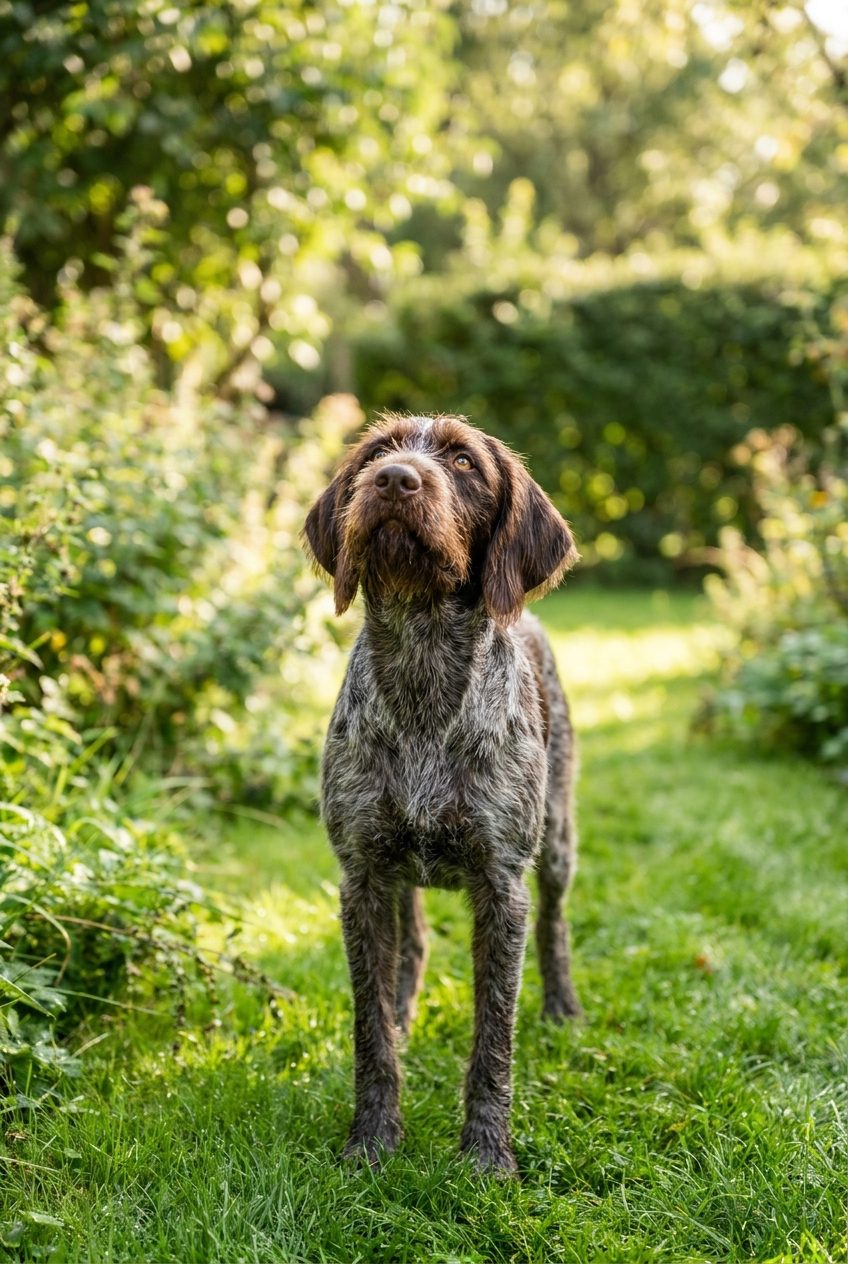
Visual Blockers
If your GWP barks at everything passing the front window, apply static cling privacy film (around $18-25 for a 36-inch roll at hardware stores) to the bottom third of the glass, or simply keep blinds at counter height. This alone reduces territorial barking triggers by a significant margin in multi-dog household studies.
White Noise and Sound Masking
A $30-50 white noise machine (brands like LectroFan or Marpac) placed near the front door masks street sounds that trigger alarm barking — footsteps, car doors, delivery trucks.
Physical Barriers and Yard Setup
If your GWP patrols a fence line barking at neighbors, install a 4-foot inner barrier (temporary fencing works, around $60-90 for a 50-foot roll) that keeps them 6-8 feet back from the property line, reducing the intensity of territorial reactions.
Crate and Confinement Timing
Avoid crating during peak neighborhood activity hours (typically 7-9 AM and 3-6 PM when mail carriers, school buses, and joggers pass). If confinement is necessary, use an interior room without street-facing windows.
Comparison Table: Anti-Bark Tools and Aids
Not every tool suits every dog. Here’s how the most common options stack up for GWPs specifically, based on effectiveness, cost, and welfare considerations.

| Tool | Cost | Effectiveness for GWPs | Notes |
|---|---|---|---|
| Positive reinforcement training (quiet cue) | $0-30 (treats/clicker) | High — addresses root cause | Takes 2-4 weeks minimum, requires consistency |
| Citronella spray collar (e.g., PetSafe Spray) | $45-70 | Moderate | Works for some, but high-drive dogs habituate within 2-3 weeks |
| Ultrasonic bark deterrent (indoor unit) | $25-40 | Low-Moderate | Inconsistent with sporting breeds; easily ignored during high arousal |
| Shock/e-collar | $80-200 | Variable, high risk | Can suppress barking but may increase anxiety-based reactivity; not first-line recommended |
| ThunderShirt or pressure wrap | $35-45 | Moderate for anxiety barking | Best combined with training, not standalone |
| Puzzle feeders (KONG, Outward Hound) | $12-25 | High for boredom barking | Reduces frustration-based barking by providing mental outlet |
| Professional trainer session | $75-150/session | High | Especially useful for diagnosing mixed-trigger barking |
For most GWP owners, combining the quiet cue training with a puzzle feeder for boredom barking delivers the best cost-to-result ratio without welfare tradeoffs.
Exercise and Mental Stimulation as Bark Prevention
A tired GWP is a quiet GWP — but tired for this breed means something different than for a Beagle or Bulldog. GWPs were bred to hunt for 6-8 hours across rough terrain, and under-exercised individuals redirect that energy into barking, digging, and destructive behavior.

Daily Exercise Minimums
Adult GWPs need a minimum of 60-90 minutes of vigorous exercise daily — not casual leash walks, but activities that elevate heart rate: running, retrieving, or structured hikes. A 20-minute walk simply won’t cut it and often makes barking worse because the dog is understimulated but not tired.
Mental Enrichment Activities
- Nose work games: Hide treats around the house or yard; 15 minutes of scent work tires a GWP as much as 45 minutes of walking.
- Flirt pole sessions: A $20 flirt pole engages prey drive constructively for 10-15 minutes, satisfying the instinct that often drives barking at squirrels or birds.
- Structured retrieving drills: 15-20 minutes of fetch with a Chuckit launcher channels hunting instincts productively.
- Puzzle feeders at mealtime: Replacing bowl feeding with a KONG Wobbler or snuffle mat adds 10-20 minutes of mental work twice daily.
Owners who add just 20 extra minutes of structured mental work daily report noticeably calmer, quieter dogs within 10-14 days — often before formal bark training even kicks in.
Three Common Mistakes That Sabotage Bark Training
Most failed attempts to silence the barks aren’t due to a stubborn dog — they’re due to handler errors that accidentally reinforce the exact behavior you’re trying to eliminate.
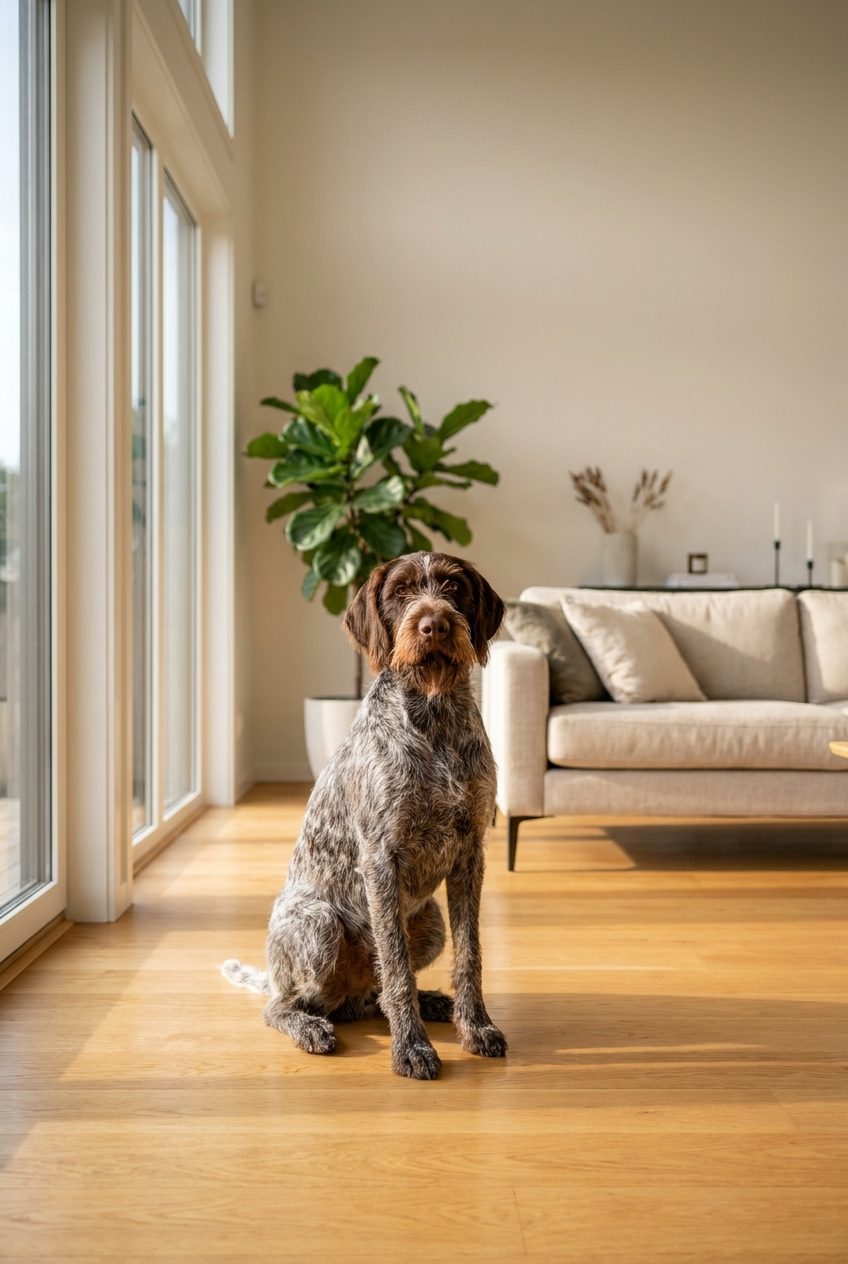
- Yelling No or Stop it during barking fits. To your GWP, your raised voice sounds like you’re barking along with them, which validates the alert and often increases intensity. Instead, use a low, calm, single-word cue and physically redirect attention with a treat lure.
- Giving attention (even negative attention) for attention-seeking barking. If your dog barks at you for food or play and you respond — even by telling them to quiet down — you’ve just rewarded the barking with engagement. The fix: turn away completely and ignore until silence occurs, then reward the silence.
- Inconsistent household rules. If one family member allows barking at the window because it’s funny while another tries to train against it, your dog receives mixed signals and progress stalls. Hold a 10-minute family meeting to align everyone on the same cue words and response protocol before starting training.
A fourth frequent error worth flagging: relying solely on punishment-based tools (shock collars, loud noise makers) without pairing them with an alternative behavior. Suppressing the bark without giving the dog something else to do often shifts the anxiety into whining, pacing, or destructive chewing instead.
What If Scenarios: Troubleshooting Tricky Situations
Real life doesn’t always match the training manual. Here’s how to handle the situations that most commonly derail progress.
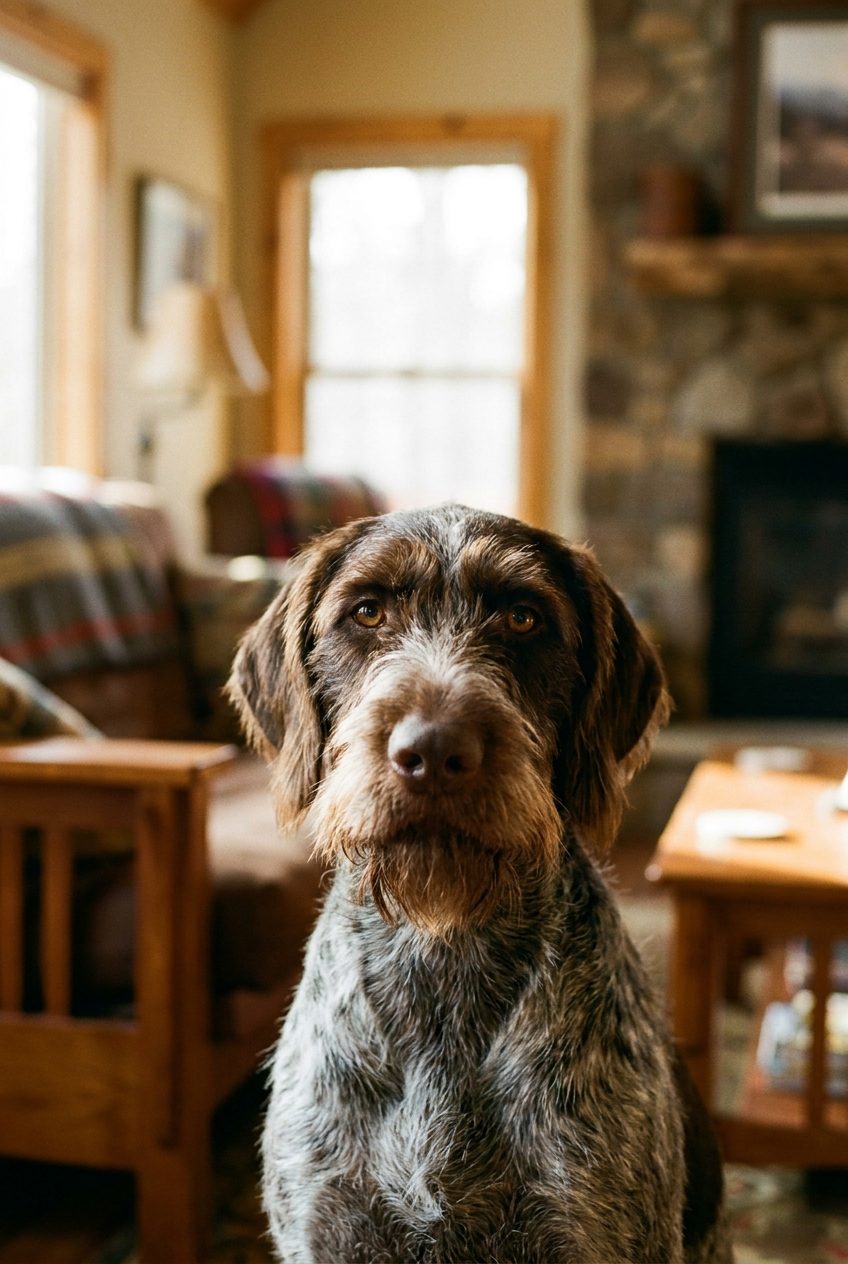
What if I live in an apartment and neighbors are already complaining?
Prioritize the environmental management steps first — white noise machine, window film, and moving the dog’s daytime spot away from hallway noise — while training runs in parallel. Consider doggy daycare 2-3 days a week ($25-40/day) during the first two weeks to reduce alone-time barking while the quiet cue solidifies.
What if my GWP barks specifically at other dogs on walks?
This is reactive barking, not general nuisance barking, and needs a different protocol: increase distance from triggers first (start at 30+ feet), reward calm attention with high-value treats, and gradually decrease distance over several weeks. Don’t attempt the standard quiet cue at close range yet — it will fail and frustrate both of you.
What if my dog is older (6+ years) and this has been a lifelong habit?
Older, deeply ingrained barking patterns take longer — plan for 8-12 weeks rather than 4. The mechanics are identical, but repetition needs matter more since the behavior has years of reinforcement history to override.
What if nothing seems to work after 6 weeks of consistent effort?
This is the point to bring in a Certified Professional Dog Trainer (CPDT-KA) for an in-person assessment, typically $100-150 for an initial consultation. Persistent barking despite proper training sometimes indicates underlying anxiety, pain, or hearing changes that need veterinary input rather than more behavioral repetition.
When to Call In Professional Help
Most GWP barking issues resolve with consistent home training, but certain signs indicate you need outside support sooner rather than later.

- Barking accompanied by destructive behavior (door scratching, furniture damage) when left alone — this often signals separation anxiety, which needs a specialized desensitization protocol, not just bark training.
- Barking that escalates to lunging or snapping at specific triggers — this crosses from nuisance barking into reactivity/aggression territory requiring professional behavioral assessment.
- No improvement after 6-8 weeks of consistent, correctly-applied training.
- Multi-dog households where barking seems to trigger a chain reaction — pack dynamics often need a trainer’s eye to untangle.
Board-and-train programs specifically for sporting breeds run $1,200-2,500 for a 2-3 week stay and can be worth it for severe cases, but always ask for force-free, positive-reinforcement-based programs — avoid facilities relying primarily on e-collars for sporting breeds, as it can increase anxiety in this genetically sensitive group.
Practical Next Steps: Building Your 7-Day Action Plan
Rather than trying to implement everything at once, start with this concrete week-one schedule:

- Day 1-2: Log every barking incident with trigger, duration, and context.
- Day 3: Buy your training treats (freeze-dried liver works well) and set up one environmental fix — window film or white noise machine.
- Day 4-5: Begin quiet cue training indoors, 2x daily, 5-10 minutes per session.
- Day 6: Add 20 extra minutes of structured exercise (flirt pole or fetch) to the daily routine.
- Day 7: Test the quiet cue against one real, mild trigger (doorbell) and note the response time.
By day 7, you should see your dog respond to the quiet cue at least 40-50% of the time in low-distraction settings — that’s your baseline for building toward full reliability over the following three weeks.
Silencing the barks of a German Wirehaired Pointer isn’t a one-weekend fix, and anyone promising instant results is selling you something. What actually works is identifying the specific trigger type, teaching an incompatible behavior through the quiet cue, managing the environment so triggers happen less often, and giving your dog’s brain and body the outlet they were bred to need. Track your dog’s specific numbers — bark frequency, duration, response time to the cue — the same way you’d track a training log for any skill, because the data will tell you faster than guesswork whether your approach is working or needs adjusting.


