Stop Akita Puppy Biting: Effective Training Tips That Work in 4 Weeks
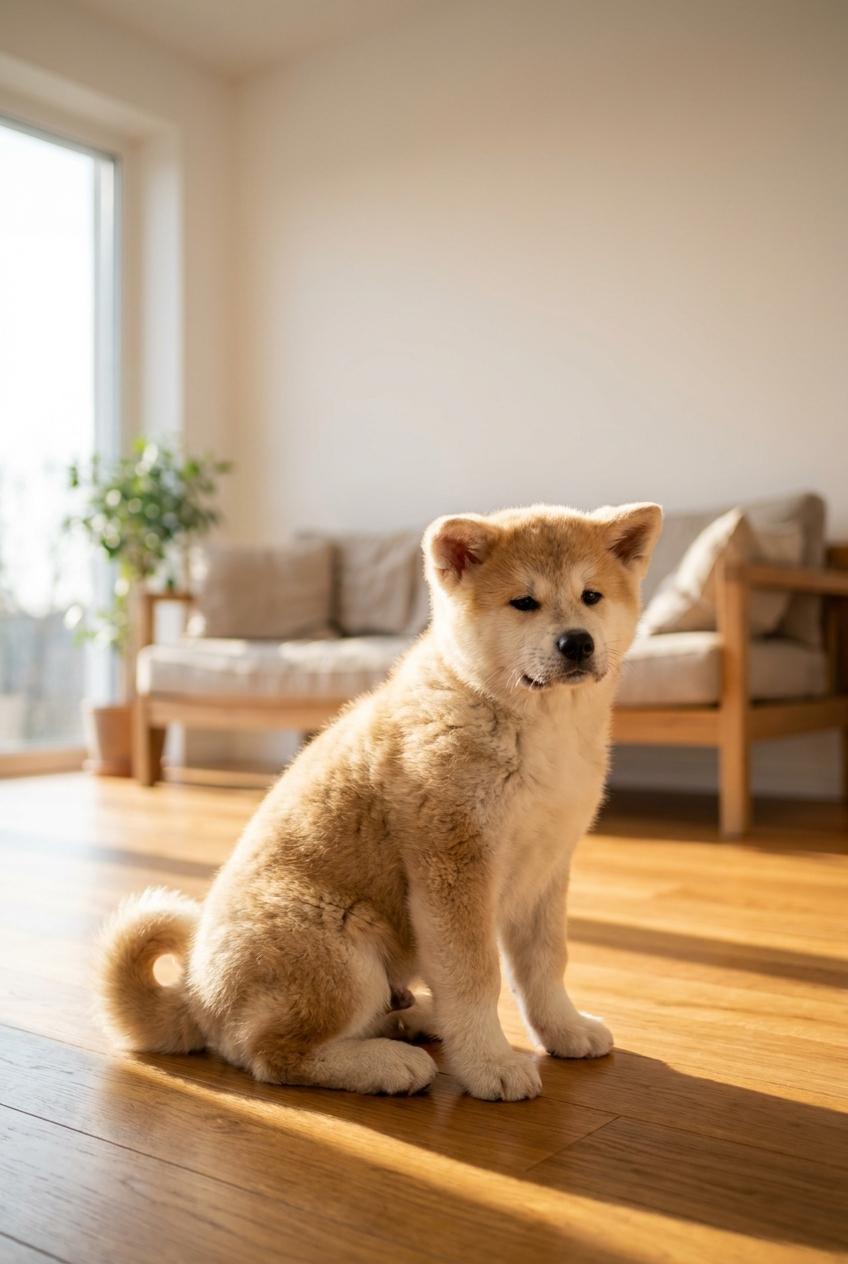
An Akita puppy bites hard enough to draw blood by week 10, and by week 20 those same jaws can crack a rawhide in half. Most owners wait for the puppy to ‘grow out of it.’ It doesn’t. If you want to stop Akita puppy biting before it becomes a 90-pound problem, the window is the first 16 weeks, and this guide gives you the exact steps to use that window.
Akitas are not Labradors. They are a Japanese guardian breed, originally used to hunt bear and guard nobility, and they are independent, strong-willed and slow to forgive sloppy handling. The good news: with consistent, calm, early training, they become some of the most loyal and gentle-mouthed dogs you can own. Here is how to get there.
Why Akita Puppies Bite More Intensely Than Most Breeds
Biting is normal puppy behavior. Puppies explore the world with their mouths, and they learn bite control from littermates who yelp and stop playing when bitten too hard. Akitas are separated from their litters at 8 weeks, often before that lesson is complete.

Three breed-specific factors make Akita biting more intense than average:
Genetics and Jaw Strength
Adult Akitas weigh 70-130 pounds and have a bite force estimated around 400-500 PSI (pounds per square inch), comparable to a German Shepherd. Even at 12 weeks, a 25-pound Akita puppy has needle-sharp teeth and surprising pressure.
Independent, Guardian Temperament
Akitas were bred to make decisions without human direction. This means they test boundaries more than eager-to-please breeds. A puppy that ignores a ‘no’ is not being malicious; it is being an Akita.
Slow Social Maturity
Akitas often reach emotional maturity at 2-3 years, much later than a Golden Retriever at 1-2 years. Puppy mouthiness can linger if you don’t actively train it out.
But what if my puppy seems aggressive, not playful? Playful biting comes with loose, wiggly body language and play bows. True aggression shows stiff posture, hard stare, growling over objects and snapping. If you see the second pattern, book a certified behaviorist (look for CPDT-KA or IAABC credentials) immediately.
The 5 Reasons Your Akita Puppy Is Biting Right Now
You cannot fix biting until you know what triggers it. Watch your puppy for three days and note when it happens. Nearly every case falls into one of these categories:
- Teething (weeks 12-24): Puppies lose 28 baby teeth and grow 42 adult teeth. Gums ache, so they chew and bite anything that offers relief.
- Overtiredness: Puppies need 18-20 hours of sleep daily. An overtired Akita puppy turns into a ‘land shark’ around 6-8 PM. This is the single most overlooked trigger.
- Overexcitement: Rough play, loud greetings and wrestling teach the puppy that biting makes the fun escalate.
- Attention-seeking: If yelling, squealing or pushing the puppy away gets a reaction, the puppy learns biting works.
- Boredom: An Akita with no mental outlet will create its own entertainment, usually your ankles or hands.
Once you identify the main trigger, you can target the fix instead of using a generic approach. A teething puppy needs frozen chew toys. An overtired puppy needs a crate nap, not a scolding.
But what if it’s all five? It usually is, to some degree. Start with sleep and exercise (the easiest wins), then layer in the training steps below.
How to Teach Bite Inhibition in 5 Steps Over 2 Weeks
Bite inhibition means teaching your puppy to control how hard it bites. The goal is not zero mouth contact on day one. It is soft mouth first, no mouth later. Dog trainer Ian Dunbar, who pioneered this method, recommends teaching softness before eliminating biting entirely.
- Let the puppy mouth your hand gently during calm play. Use a quiet moment, not a wild one. Success looks like the puppy gnawing without pressure.
- Say a sharp, calm ‘Ouch!’ the moment the bite hurts. Do not scream. A low, flat ‘ouch’ works better than a shriek, which can excite an Akita.
- Remove your hand and freeze for 10-15 seconds. Turn your body away. Success looks like the puppy pausing and looking at you in confusion.
- Resume play. If the next bite is gentler, praise quietly (‘good’) and continue. If it’s hard again, repeat steps 2-3.
- After a week, raise the bar. Yelp at moderately firm bites, not just painful ones. Over 7-14 days, the acceptable pressure drops to zero.
But what if yelping makes my puppy bite harder? This is common with Akitas, who find squealing exciting. Skip the vocal reaction and go straight to silent withdrawal: stand up, fold your arms and walk out of the room for 30 seconds.
The Timeout Method: 30 Seconds That Changes Behavior
When bite inhibition alone isn’t enough, add a structured timeout. This works because Akitas are social and hate being excluded, but they won’t hold a grudge if you keep it short.

Here’s the exact process:
- Puppy bites hard or won’t stop mouthing after one ‘ouch.’
- Calmly say ‘too bad’ in a neutral voice.
- Pick up the puppy, or walk away, and place it in a puppy-proofed spot: an exercise pen (a 24-inch-tall, 8-panel pen costs about $40-60 from brands like MidWest) or a baby-gated hallway.
- Wait 30-60 seconds. Never longer than 2 minutes at this age.
- Release the puppy with no fuss and redirect to a toy.
Success looks like the puppy needing fewer timeouts each day. Most Akita puppies show a clear drop in biting within 5-7 days of consistent use.
But what if the puppy barks or screams in timeout? Wait for 5 seconds of quiet before releasing. Otherwise you teach that noise ends the timeout. Never use a crate for timeouts, since the crate should stay a positive, restful place.
Redirect Biting Onto Chew Toys That Akitas Can’t Destroy
Akitas chew with force, so cheap plush toys and soft rubber won’t last a week. Redirection means swapping your hand or pant leg for something legal to bite the moment teeth touch skin.
Keep three or four toys within arm’s reach at all times. Rotate them every few days to keep them interesting.
| Chew Option | Price | Durability | Best For |
|---|---|---|---|
| KONG Puppy (blue, size L) | $10-14 | Medium; made for puppy teeth | Teething relief; stuff with wet food and freeze for 4+ hours |
| Nylabone Puppy Chew (large) | $8-12 | Medium; wears down by week 8-10 | Budget chewing for ages 8-20 weeks |
| West Paw Zogoflex Tux (large) | $18-24 | High; guaranteed against destruction | Strong chewers and stuffing with peanut butter or treats |
| Bully sticks (6-inch) | $4-7 each | Low; consumed in 20-40 minutes | Supervised calm-down time; digestible |
Recommendation: Use the KONG Puppy for teething weeks 12-20, the West Paw Tux once adult teeth come in, and bully sticks only as a supervised reward.
But what if my puppy ignores the toy and goes for my hand? Make the toy more exciting than your hand: wiggle it along the floor like prey, or rub a little low-sodium chicken broth on it. Praise the instant the puppy bites the toy.
Build a Daily Routine That Prevents Biting Before It Starts
Training fixes biting, but routine prevents it. A tired, fed, mentally satisfied Akita puppy has little reason to chomp on you. Follow this structure:
Sleep Schedule
Enforce 1-2 hour nap blocks in the crate or pen after every play session, morning, noon and evening. A puppy awake more than 60-90 minutes straight is likely to get nippy.
Exercise Targets
The common rule is 5 minutes of structured exercise per month of age, twice daily. A 3-month-old Akita needs about 15 minutes per session. Do not over-exercise: Akitas are a large breed with growing joints, so avoid forced running, jumping and long stair climbing until 12-18 months.
Mental Enrichment
Spend 10 minutes daily on brain work: a snuffle mat ($12-20), a scatter feed (toss kibble across the grass) or practicing ‘sit,’ ‘down’ and ‘touch’ with tiny treats. Mental fatigue calms an Akita faster than physical tiring.
Feed meals from puzzle toys or a KONG instead of a bowl at least once a day. This turns biting energy into productive chewing and licking.
But what if my schedule is unpredictable? Consistency matters more than perfection. Even a rough pattern of play, then potty, then nap, repeated 4-5 times a day, helps. If you work long hours, hire a dog walker or enroll in doggy daycare for 2-3 days a week once vaccinations are complete.
Socialization and Puppy Classes: The 16-Week Deadline
The critical socialization window for puppies closes around 12-16 weeks. For a guardian breed like the Akita, missing it increases the risk of fearful or reactive behavior later, including fear-based biting.
Do this:
- Enroll in a puppy class by week 10-12. Most require the first round of vaccinations. Expect to pay $120-200 for a 6-week course at chains like PetSmart or Petco, or $200-350 at independent trainers.
- Meet 100 new people by week 16. Include different ages, hats, beards, uniforms and mobility aids. Keep each encounter short and positive, with a treat.
- Arrange controlled play with 3-5 vaccinated, friendly adult dogs. Avoid dog parks until the vaccine series completes at about 16 weeks.
- Expose to 20 new surfaces and sounds. Tile, grass, gravel, vacuum cleaners, traffic noise.
Choose a class that uses reward-based methods. Akitas respond poorly to harsh corrections and can become defensive or shut down.
But what if my Akita puppy is shy or growly with strangers? Don’t force interaction. Let the puppy approach on its own, use high-value treats like boiled chicken, and let visitors toss treats without reaching. If the growling persists past 14 weeks, consult a veterinary behaviorist.
5 Common Mistakes That Make Akita Biting Worse
Even loving owners accidentally train biting into their Akitas. Avoid these pitfalls:
- Playing rough with your hands. Wrestling and hand-wagging teach the puppy that human skin is a toy. Use a tug rope or flirt pole instead.
- Using physical punishment. Alpha rolls, nose flicks and hitting damage trust and can trigger defensive biting in Akitas, who remember harsh treatment for years.
- Inconsistent rules. If one family member allows mouthing and another doesn’t, the puppy learns the rule depends on the person. Hold a 5-minute family meeting and agree on one approach.
- Waiting too long to start. Training at 6 months with an 60-pound dog is harder than at 9 weeks with a 15-pound pup. Start on day one.
- Skipping the nap. An overtired puppy cannot learn. If biting spikes in the evening, crate the puppy for a nap before you assume training has failed.
Each mistake has a simple fix: swap hands for toys, use withdrawal instead of force, align your household, begin immediately and respect sleep needs.
What If Biting Doesn’t Improve? Answers to the Toughest Objections
Plenty of owners hit a plateau. Here’s how to handle the most common doubts.
‘My Akita is 5 months old and still biting hard.’
Teething peaks around 4-6 months, so this is normal. Increase frozen chews, stay consistent with timeouts and give it 2-3 more weeks. Biting should drop sharply once adult teeth are in at around 6-7 months.
‘My puppy bites only my children.’
Kids move fast, squeal and run, which triggers chase and prey drive. Never leave an Akita puppy unsupervised with children under 10. Teach kids to stand still like a tree (‘be a tree’) and hand them treats to toss rather than waving toys.
‘My puppy growls when I take things away.’
This is resource guarding, a serious habit in guardian breeds. Trade, don’t take: offer a higher-value treat as you remove the item, then give the item back when safe. Persistent guarding calls for a professional.
‘Should I use a muzzle or shock collar?’
No. A basket muzzle can help in vet visits but does not teach anything, and shock collars increase fear and aggression risk. Stick to reward-based training.
‘Is my Akita just a bad dog?’
No. Biting is communication and development, not character. Most Akitas who get consistent training for 4-8 weeks become reliable, soft-mouthed companions.
Your 4-Week Plan to Stop Akita Puppy Biting
You now have the tools. The only thing left is a start date. Here is a simple weekly rollout so you are not trying to do everything at once:
- Week 1: Set up the nap schedule and buy 3-4 chew toys. Begin yelp-and-freeze bite inhibition at every mouthy moment.
- Week 2: Add the 30-second timeout and start daily 10-minute brain games. Book a puppy class.
- Week 3: Raise the bar so even moderate pressure triggers a pause. Begin socialization outings with treats.
- Week 4: Reduce mouthing to near zero. Reward calm greetings and practice ‘sit’ before every interaction.
Your next action: tonight, write down the three times of day your puppy bites most, and set a phone alarm to start a crate nap 30 minutes before the worst one. That single change often cuts biting by half within three days, and it costs nothing.