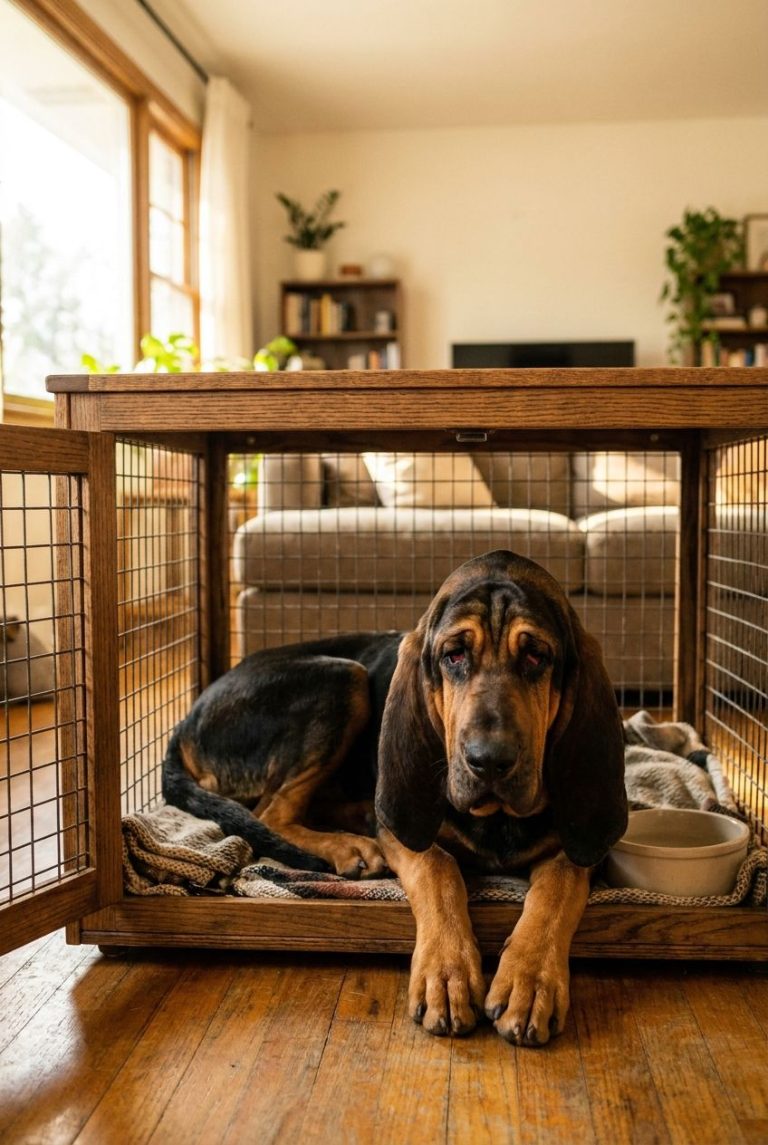
How to Silence Your Whippet’s Barking: 9 Expert Tips That Work in 4-6 Weeks
Whippets have a reputation as the quiet couch potatoes of the dog world, which is exactly why a barking whippet catches owners off guard. If your sleek 30-pound sighthound has turned into a window-watching alarm system, you are not dealing with a defective dog. You are dealing with an unmet need, and this guide shows you how to silence your whippet’s barking in four to six weeks using methods that respect how this breed is wired.
Why Your Whippet Barks (and Why Most Fixes Fail)
Whippets are bred to chase, not to guard. Their ancestors worked silently so they would not spook rabbits. So when a whippet barks repeatedly, something specific is driving it, and shouting “quiet!” will never fix an underlying cause.

Before you train anything, figure out which of these five triggers you are dealing with:
- Alarm barking: Short, sharp barks at sounds, delivery drivers, or passersby. The dog stands rigid, ears up, looking at the source.
- Boredom barking: Repetitive, monotone barking with pauses, usually when you are home but ignoring the dog.
- Demand barking: Directed at you, often at mealtimes or when you sit down. Gets a reaction, so it gets repeated.
- Separation distress: Barking, howling, or whining that begins within 5-10 minutes of you leaving. Often paired with pacing or destruction.
- Excitement barking: High-pitched, bouncy, tied to walks, visitors, or play.
Here is the catch most owners miss: each trigger needs a different fix. A dog barking out of boredom needs exercise and puzzles, while a dog in separation distress needs gradual desensitization. Apply the wrong method and you get frustration, not silence.
How to Diagnose the Trigger in 3 Days
Keep a simple log for 72 hours. Note the time, what happened 30 seconds before the barking, and what the dog did afterward. Use a free app like Notes on your phone, or a notebook by the door. Success looks like spotting a pattern, such as 80% of barking happening between 4 and 6 p.m. when the school bus passes.
But what if there is no pattern? Set up a cheap camera (a Wyze Cam v3 runs about $36) and record while you are out. Random-seeming barking often reveals itself on video.
Exercise First: The 60-Minute Rule for Whippets
A tired whippet is a quiet whippet, but this breed’s exercise needs surprise people. They are sprinters, not marathoners. A healthy adult whippet needs roughly 45-60 minutes of activity daily, and the quality of that activity matters more than the length.

A slow 20-minute leash walk barely registers. What drains a whippet is a short, intense burst of running followed by mental work. Aim for this daily structure:
- Sprint session (10-15 minutes): Use a fully fenced area of at least 50 by 50 feet. Throw a flirt pole toy (about $20-25 from brands like Outward Hound) or run a recall game. Success looks like heavy panting and a dog that willingly lies down afterward.
- Sniff walk (20-30 minutes): Let the dog lead on a 15-foot long line. Sniffing burns mental energy and lowers stress hormones.
- Brain work (10 minutes): Scatter 20 pieces of kibble across the lawn or a snuffle mat (about $15-20) and let the dog hunt.
But what if you work long hours? Split the plan. Do the sprint session before work and the sniff walk in the evening. A 7 a.m. flirt pole session often buys four to five quiet hours.
Never let a whippet off-leash in an unfenced area. They can hit 35 mph and will not hear you once prey drive switches on.
How to Stop Alarm Barking at Windows and Doors in 10 Days
Alarm barking is the most common complaint, and it is also the most fixable. Whippets are visual hunters, so movement outside the window acts like a starter pistol. The fix has two parts: reduce access to the trigger, then teach a replacement behavior.
Step 1: Block the Visual Trigger
Apply frosted window film to the lower half of the glass. Products like Gila privacy film cost about $12-15 for a 36-inch by 78-inch roll and take 15 minutes to install with a spray bottle of soapy water. Success looks like light coming in but no clear view of the sidewalk.
Step 2: Teach the “Thank You, Settle” Routine
Follow these steps in order:
- When the dog barks once or twice, say “thank you” in a calm voice (this acknowledges the alert so the dog feels the job is done).
- Walk to the dog, gently guide them away from the window, and cue “go to bed” toward a mat or crate.
- The instant they lie down, deliver a treat. Use pea-sized pieces of boiled chicken or Zuke’s Mini Naturals, about 3 calories each.
- Repeat every single time for 10 days.
But what if the dog ignores you mid-bark? You started too late. Interrupt on the first bark, not the fifteenth. Once a whippet is in full alarm mode, their thinking brain is offline.
Fix Separation Barking Without Making It Worse
Whippets are famously velcro dogs. Their thin coats and people-focused temperament make them prone to separation anxiety, and this is the one barking type where punishment can seriously backfire. If your dog barks within minutes of your departure and also drools, paces, or has accidents, treat this as anxiety, not disobedience.

The only method with strong evidence behind it is gradual desensitization, which means slowly teaching your dog that your absence is safe. Here is the protocol:
- Find the threshold. Using your camera, determine how long you can leave before the dog gets upset. Often it is 30 seconds or less.
- Practice below the threshold. Leave for 15 seconds, return calmly, and say nothing. Do this 5-8 times a day.
- Increase by small steps. Add 5-10 seconds per successful session. Move to minutes only after the dog stays relaxed at 2 minutes for three sessions in a row.
- Provide a departure treat. A frozen Kong stuffed with wet food (about 20 minutes of work for the dog) helps pair your leaving with something good.
Expect 4-8 weeks for mild cases. But what if there is no progress after three weeks? Book a veterinary behaviorist. Prescription support such as fluoxetine can make training possible, and a consultation typically runs $150-350.
The Quiet Command: A 5-Day Plan to Teach It
A reliable “quiet” cue gives you an off-switch for barking you cannot prevent, such as a knock at the door. The key is to teach it while the dog is calm, not mid-bark, and to reward silence rather than punish noise.
Day-by-Day Breakdown
- Day 1: Trigger a controlled bark (knock on a table or ring your doorbell). Let the dog bark 3-4 times, then hold a high-value treat near the nose. Dogs stop barking to sniff. The moment they go silent, say “quiet” and treat.
- Day 2: Repeat 10 times. Wait 1 second longer before treating each round.
- Day 3: Say “quiet” before showing the treat. Success looks like the dog pausing at the word.
- Day 4: Extend silence to 5-10 seconds before rewarding.
- Day 5: Practice in a new room with mild distraction.
But what if the dog just keeps barking? Your treat is not valuable enough. Upgrade from kibble to real meat, cheese cubes, or freeze-dried liver. Whippets are picky eaters, and low-value rewards will lose to prey drive every time.
Tools Compared: What Actually Helps and What to Skip
The pet aisle is full of anti-bark gadgets, and most of them are poor investments for a sensitive breed like the whippet. Here is how the common options stack up:

| Tool | Approx. Cost | Effectiveness | Whippet Suitability | Best For |
|---|---|---|---|---|
| Frosted window film | $12-15 | High for alarm barking | Excellent | Window and door reactivity |
| Snuffle mat / puzzle feeder | $15-25 | Medium-high for boredom | Excellent | Daytime boredom barking |
| White noise machine | $20-35 | Medium for noise triggers | Good | Dogs reacting to outside sounds |
| Citronella spray collar | $40-70 | Low-medium, short-lived | Poor (stress risk) | Rarely recommended |
| Ultrasonic bark deterrent | $25-45 | Low and inconsistent | Poor (sensitive ears) | Skip for this breed |
| Shock collar | $50-150 | Suppresses without fixing cause | Very poor | Avoid entirely |
The recommendation: For alarm barking, buy window film. For boredom, buy a snuffle mat and a flirt pole. For separation distress, invest in a camera and a behaviorist consult instead of any collar. Whippets shut down under aversive training, and a dog that stops barking out of fear often develops new problems like hiding or destruction.
3 Common Mistakes That Make Whippet Barking Worse
Most owners sabotage their own training without realizing it. These three errors show up again and again:
- Yelling “quiet!” or “no!” during barking. To your dog, your raised voice sounds like you are barking along. It adds energy to the situation. Fix: Use a calm, flat tone or, better, interrupt with a treat and a cue to move.
- Rewarding demand barking by accident. Letting the dog out, feeding, or even making eye contact after barking teaches that barking works. Fix: Wait for 3-5 seconds of silence, then deliver the thing the dog wants. Be consistent for a full 2 weeks.
- Skipping exercise and going straight to training. A dog with pent-up energy cannot learn impulse control. Fix: Always exercise first, then train, ideally 15-20 minutes after the sprint session when the dog is relaxed but alert.
A fourth mistake worth flagging: expecting overnight results. Barking is a habit, and habits take 4-6 weeks of daily repetition to rewire. Quitting at day 10 because progress feels slow is how owners stay stuck.
Objections and What-If Scenarios Answered
Real life rarely follows the training plan, so here are the situations that trip people up.

“My whippet barks only at other dogs on walks.”
This is leash reactivity, driven by frustration or fear. Increase distance until your dog notices the other dog but stays calm, usually 30-50 feet at first. Reward calm looks, then shrink the gap by a few feet each week. Do not force greetings.
“I live in an apartment and neighbors are complaining.”
Prioritize the fastest wins: window film, a white noise machine near shared walls, and a morning sprint session. Leave a note or a small gift with neighbors explaining you are actively training. Complaints often drop once people see effort.
“My senior whippet suddenly started barking.”
A new barking habit in a dog over 9 years old can signal canine cognitive dysfunction, hearing loss, or pain. Book a vet visit. A basic senior panel costs roughly $100-200 and rules out medical causes before you spend weeks training.
“Is it ever too late to train an adult whippet?”
No. Adult whippets learn just as well as puppies. Expect the process to take about 20% longer for habits that have run for years, but results are the same.
When to Call a Professional (and What It Costs)
Self-training works for most barking problems, but certain red flags mean you should bring in help. Call a professional if barking is accompanied by self-injury, destroyed doors or crates, no improvement after 6 weeks of consistent work, or any sign of aggression.
Know the difference between the types of help available:
- Certified dog trainer (CPDT-KA): Best for alarm barking, demand barking, and the quiet cue. Group classes run $120-200 for 6 weeks; private sessions cost $75-150 per hour.
- Veterinary behaviorist (DACVB): Needed for severe separation anxiety or fear-based barking. Initial consults cost $200-400 and can include medication plans.
- Your regular vet: The first stop to rule out pain, hearing loss, or thyroid issues. An exam is typically $50-90.
Avoid any trainer who recommends shock, prong, or choke collars for a whippet. Their thin skin and sensitive temperament make aversive tools especially risky. Ask potential trainers directly: “Do you use only positive reinforcement methods?” The answer should be an immediate yes.
Your 6-Week Barking Reduction Timeline
Progress is easier to stick with when you know what normal looks like. Here is a realistic timeline for a whippet with moderate barking habits:

- Week 1: Log triggers, install window film, start the daily 60-minute exercise structure. Expect little change in barking, but the dog should seem calmer by evening.
- Week 2: Begin the “thank you, settle” routine and the quiet cue. You may see an extinction burst, which is a temporary spike in barking right before it drops. Hold steady.
- Weeks 3-4: Barking episodes should shorten, often by 30-50%. Start practicing the quiet cue with real triggers like the doorbell.
- Weeks 5-6: Most alarm and boredom barking drops by 70-80%. Separation work continues longer.
Track one number weekly: how many barking episodes per day. Write it on a sticky note on the fridge. Watching that number fall from 15 to 6 to 2 is the best motivation to keep going.
Start Tonight With One 15-Minute Action
You do not need to launch the whole program at once. Tonight, grab a notebook and write down the last three times your whippet barked, what happened right before each one, and what you did in response. That 15-minute exercise tells you which of the five triggers you are dealing with, and it points you to exactly which section above to follow first. Do it before bed, and tomorrow morning you will know where to begin.