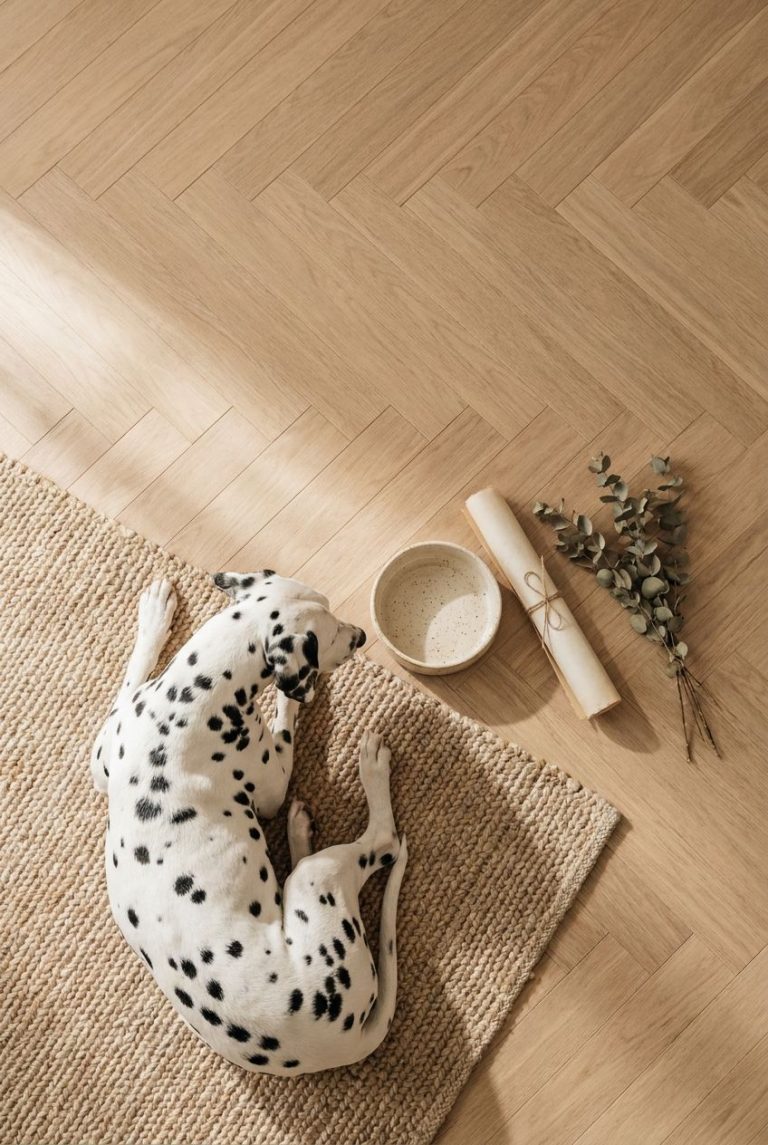
10 Tricks to Prevent Dalmatians From Digging (Fix It in 3 Weeks)
A bored Dalmatian can move up to 40 square feet of lawn in a single afternoon, and no fence, scolding, or cayenne pepper has ever fully stopped one. These 10 tricks to prevent Dalmatians from digging work because they stop fighting the instinct and start redirecting it. Give a Dal a better job than demolition, and your flower beds survive.
Why Dalmatians Dig (and Why Punishment Never Works)
Dalmatians were bred as carriage dogs. For centuries they trotted for miles beside horse-drawn coaches, guarding the horses and the cargo. That means your dog carries a genetic engine built for 10 to 15 miles of daily movement. When that engine idles in a backyard, the energy has to go somewhere.

Digging is the outlet. Before you pick a fix, identify which of these four drivers is behind it:
- Excess energy: Digging happens mostly in the morning or late afternoon, and the dog looks wild-eyed and frantic while doing it.
- Boredom: Holes appear when you are away, usually near the fence or the back door.
- Temperature control: Holes are shallow, shaded, and show up on days above 80°F. Dalmatians have a single short coat with little insulation, so they dig to reach cool soil.
- Hunting instinct: Holes cluster around tree roots, garden edges, or spots where moles, voles, or gophers live.
Punishing a dog after the fact does nothing. A Dalmatian cannot connect a scolding at 6 p.m. with a hole dug at 2 p.m. Worse, punishment adds anxiety, which often increases digging. Every trick below either meets the need behind the digging or makes the wrong spot less appealing.
But what if my dog only digs when I am watching? That signals attention seeking. Dogs learn that digging gets a reaction, even a negative one. Calmly interrupt, redirect to an approved activity, and reward the redirect. The reaction you want is a treat, not a shout.
Trick 1: Double the Daily Exercise to 90 Minutes
The single most effective trick costs nothing. Most owners walk their Dalmatian 30 minutes a day, which is roughly a third of what the breed needs. Adult Dalmatians thrive on 60 to 90 minutes of vigorous activity, split into two sessions.
Here is a schedule that works for most working owners:
- Morning (30 minutes): A brisk walk or jog at 4 to 5 mph before breakfast. Success looks like a dog who lies down on his own afterward.
- Evening (45 to 60 minutes): A mix of off-leash fetch in a fenced area, a hike, or a run. Aim for 3 miles minimum.
- Weekend (2 hours): One long outing, such as a trail hike or a swim. Dalmatians love water and swimming is easy on their joints.
Give it 7 to 10 days before judging results. Many owners see digging drop by half within the first week, because tired dogs dig less.
But what if I physically cannot walk that much? Use a flirt pole, a lure on a rope attached to a pole, for 10 minutes of sprinting in the yard. Ten minutes of flirt pole chasing burns about as much energy as a 30 minute walk. Hire a dog walker for one midday session if your schedule demands it; rates run $15 to $25 per 30 minutes in most US cities.
Trick 2: Build a Legal Digging Pit in a Weekend
This is the trick professional trainers recommend most, and it works because it gives the instinct a legal home. A digging pit is a defined area where digging is encouraged and rewarded.
What You Need
- A sandbox frame or a 4 by 4 foot patch of yard, bordered with landscape timber ($20 to $40)
- Play sand or loose topsoil, about 8 to 12 inches deep ($30 to $60 for 8 bags of 50 lb play sand)
- A few high-value treats and old toys
How to Set It Up in 4 Steps
- Choose a shaded spot away from the fence line. A pit in full sun gets ignored on hot days.
- Fill it with loose material that is easier to dig than your lawn. Loose sand beats packed clay every time.
- Bury treats and toys a few inches down while your dog watches. Excited sniffing and pawing means success.
- Reward every dig in the pit with praise and a treat. Say a cue like “dig here” so the behavior gets a name.
When your dog digs elsewhere, calmly lead him to the pit and encourage digging there. Most Dalmatians accept the pit within 3 to 5 sessions.
But what if he ignores the pit? Bury something more exciting: a stuffed frozen Kong, a piece of chicken, or a favorite squeaker toy. Refresh the buried prizes daily for the first two weeks.
Trick 3: Replace Boredom With Puzzle Feeders and Chew Time
A Dalmatian eating from a bowl finishes dinner in 90 seconds. A Dalmatian working a puzzle feeder spends 20 to 30 minutes using his brain, and mental work tires dogs out faster than most owners expect. Ten minutes of nose work equals roughly 30 minutes of physical exercise, according to many professional trainers.
These tools consistently work for this breed:
- Kong Classic (large, about $15): Stuff with wet food and freeze overnight. It lasts 30 to 45 minutes.
- Nina Ottosson Dog Brick ($20 to $30): A sliding-tile puzzle that teaches problem solving.
- Snuffle mat ($15 to $25): Scatter half of his breakfast kibble in the fabric folds and let him sniff it out.
- Lick mat with peanut butter ($10): Useful for calming down after exercise. Check that the peanut butter is xylitol-free, since xylitol is toxic to dogs.
Feed at least one meal a day from a puzzle. Rotate toys every 3 days so none becomes boring. Success looks like a dog who settles down quietly after finishing.
But what if he destroys the puzzle toys? Switch to heavy-duty rubber like the Kong Extreme (black) or West Paw Toppl, and supervise until you know his style.
Trick 4: Keep Your Dalmatian Cool So He Stops Digging for Shade
Dalmatians have thin single coats and pink skin underneath the spots. They overheat, and they dig to reach the cooler soil a few inches down. If your holes appear on hot days, this is your culprit.
Fix the heat problem and you fix the holes:
- Provide permanent shade. A shade sail ($30 to $60) or a covered patio works better than a tree, because the sun moves.
- Add a cooling mat. Gel-based mats like the Green Pet Shop Self-Cooling Pad ($25 to $45) stay cool for 3 to 4 hours without refrigeration.
- Set out a kiddie pool. A 36-inch hard plastic pool costs about $20 and gives him a legal way to cool down. Keep water 3 to 4 inches deep and change it daily to prevent mosquitoes.
- Move exercise to cooler hours. On days above 80°F, walk before 8 a.m. and after 7 p.m.
Never leave a Dalmatian outside unsupervised when temperatures exceed 85°F. Heatstroke can set in within 15 minutes.
But what if he still digs next to the pool? Place the pool on a bed of flat pavers or gravel. A dug-up hole next to water usually signals mud-seeking, so give him a safe mud alternative like a shallow tray of damp sand.
Trick 5: Teach the Leave It and Come Cues Using the 5-Day Method
Reliable recall and “leave it” give you a verbal off switch for digging. Most owners fail here by training only inside the house. Train where the problem actually happens: the yard.
Follow this 5-day plan, 10 minutes per day:
- Day 1: Hold a treat in a closed fist. When your dog stops sniffing and pulls back, say “yes” and give a different treat from your other hand. Repeat 10 times.
- Day 2: Place a treat on the floor under your hand. Reward him when he backs off.
- Day 3: Practice on a leash in the yard near a spot he likes to dig. Say “leave it” as he approaches.
- Day 4: Add the cue “come” and reward heavily for returning to you. Use chicken or cheese, not kibble.
- Day 5: Practice with mild distractions, like a tossed toy.
Success looks like your dog disengaging from the dirt within 2 seconds of the cue.
But what if he ignores me when he is mid-dig? That means the behavior is too rewarding for your current treat. Raise your reward value, or move closer before giving the cue. Never shout from across the yard.
Trick 6: Make Digging Spots Unappealing Without Cruelty
Deterrents work best alongside exercise and a legal pit. On their own, they simply move the digging to a new spot.
Here is what helps and what to skip:
- Bury chicken wire 2 inches below the surface. It feels unpleasant under his paws. Use rounded edges to avoid injury.
- Lay large flat rocks or landscape pavers over favorite holes. Cost: $1 to $3 per paver.
- Plant prickly or dense ground cover such as creeping thyme at the base of problem areas.
- Bury his own droppings in the hole. It sounds odd, but many dogs avoid digging where they smell their own waste.
Avoid cayenne pepper, mothballs, and chemical repellents. Mothballs are toxic, and pepper can irritate eyes and noses. Never fill holes with something that could harm a curious dog.
But what if he just digs a foot over? That is predictable. Deterrents only block a specific spot, so treat them as temporary aids while the pit and exercise take effect.
Trick 7: Protect Fence Lines and Garden Beds With Physical Barriers
Dalmatians dig most at fence lines because they hear and smell passing dogs, squirrels, and mail carriers. Protect these zones directly.

Fence Line Fixes
- L-footer wire: Attach 24-inch-wide galvanized wire to the base of the fence, bend it outward into an L shape, and bury it 4 to 6 inches. Cost is about $0.50 to $1 per linear foot.
- Concrete or paver border: A row of 12-inch pavers along the fence blocks digging for good ($30 to $100 for a typical yard).
Garden Bed Protection
- Install a 24-inch decorative fence around vegetable beds ($25 to $80).
- Use raised beds at least 12 inches high.
- Cover freshly turned soil with mulch or netting for the first two weeks, since loose dirt invites digging.
Walk your fence line weekly and fill any starter holes immediately. Dogs return to partly dug spots.
But what if my fence is chain link on a rental property? Use removable options: heavy rocks, cinder blocks along the base, or a pop-up exercise pen as a secondary barrier. Check your lease before burying anything.
Comparison: Which Anti-Digging Method Fits Your Situation?
Not every trick suits every home. This table compares the most popular strategies across cost, effort, and results so you can match the fix to your life.
| Method | Cost | Time to Work | Effort | Best For |
|---|---|---|---|---|
| Digging pit | $50 to $100 | 1 to 2 weeks | Medium (setup) | Dogs who love to dig for fun |
| Extra exercise (90 min) | Free to $25 per walk | 7 to 10 days | High (daily) | Young, high-energy Dals under 4 years old |
| Puzzle feeders | $15 to $40 | Immediate | Low | Bored dogs left alone while you work |
| Cooling mat and kiddie pool | $45 to $70 | 1 to 3 days | Low | Summer digging in hot climates |
| Physical barriers (L-footer, pavers) | $30 to $150 | Immediate | High (install) | Fence-line escape artists |
| Chemical repellents | $10 to $20 | Unreliable | Low | Not recommended |
Our recommendation: If your dog is under 4 years old, start with exercise and the digging pit together. If your dog digs mainly in summer, add cooling gear first. If you need an immediate fix for a fence line, install physical barriers while the training takes hold. Skip chemical repellents entirely.
Trick 8: Train a Settle Routine for Calm Alone Time
Dalmatians are prone to separation anxiety, and anxiety digging looks different from boredom digging: frantic, near doors and windows, and often paired with whining or drooling. A settle routine teaches your dog that quiet time is rewarded.
Build it in 4 steps:
- Pick a mat or bed as the “settle spot.”
- Lure him onto it with a treat and say “settle.” Reward when all four paws are on the mat.
- Extend duration in small increments: 5 seconds, 15 seconds, 30 seconds, then 2 minutes, treating each time.
- Practice while you move around the room, then leave for short periods.
Work up to 20 to 30 minutes of calm in 2 to 3 weeks. Calming aids like an Adaptil collar ($25) or a ThunderShirt ($40) help some dogs, though results vary.
But what if he panics the moment I leave? That is true separation anxiety, and it needs professional help. A certified trainer (look for CPDT-KA credentials) or a veterinary behaviorist can help, with sessions typically running $75 to $150.
Trick 9: Rule Out Medical and Diet Causes First
Sometimes digging has a physical cause. Dalmatians have unique health quirks that owners often miss.
- Urinary stones: Dalmatians cannot process purines normally, which makes them prone to urate stones. Restlessness and compulsive behavior can come from discomfort. If your dog strains to urinate, see a vet the same day.
- Skin allergies: Itchy dogs dig and scratch at cool earth for relief.
- Pest hunting: If holes cluster near the foundation, you may have moles, voles, or even termites drawing him in.
- Nutrient needs: Dalmatians do best on low-purine diets. Avoid organ meats and fish like sardines in large quantities. Hill’s Science Diet Urinary or Hill’s u/d formulas are commonly recommended by vets, but ask yours first.
A vet visit typically costs $60 to $100 for an exam and urinalysis. Do this before spending money on yard fixes, especially if the digging began suddenly in a previously calm adult dog.
But what if the vet says he is perfectly healthy? Great, you have eliminated a variable. Return to exercise and enrichment as your primary tools.
Trick 10: Reward Consistently for 21 Days to Lock In the New Habit
New habits form through repetition, not intention. Plan a 21-day consistency window where every digging moment is handled the same way by every person in the household.
Use this daily checklist:
- Morning: 30 minutes of exercise, then breakfast from a puzzle feeder.
- Midday: Quick check of yard, fill any new holes, refresh buried treats in the pit.
- Evening: 45 to 60 minutes of exercise plus 10 minutes of training in the yard.
- Anytime: Reward calm behavior, redirect digging to the pit, and never punish.
Track progress with a simple tally: count new holes each day. Most owners see a drop from 5 to 10 holes a week down to 1 or 2 by day 14, and zero by day 21. If you have not seen improvement by day 10, add more exercise before changing anything else.
But what if the digging comes back? Relapses are normal after weather changes, travel, or a drop in routine. Return to the 90-minute exercise schedule for one week and the digging usually fades again.
3 Common Mistakes That Make Dalmatian Digging Worse
Even well-meaning owners sabotage progress. Watch for these three.
- Punishing after the fact. Dragging your dog to a hole and scolding him teaches him that you are scary when dirt is around. He learns to dig when you are not looking. Instead, only redirect in the moment and reward the right behavior.
- Skipping exercise and expecting gadgets to fix it. Puzzle toys and deterrents are helpers, not substitutes. A Dalmatian who gets 30 minutes of walking will out-dig any barrier you build. Fix the energy first.
- Inconsistent rules. If your partner laughs at digging while you scold it, your dog gets mixed signals. Agree on one plan, post it on the fridge, and stick to it for the full 21 days.
Another quiet mistake: leaving holes half-filled. Fresh disturbed soil is an invitation. Fill every hole completely, tamp it down, and cover it with a paver or rock.
Your Next Step: Start the Digging Pit Tonight
Pick up two bags of play sand and a few landscape timbers on your next errand. Build the pit in a shaded corner, bury three treats while your dog watches, and cheer the moment his paws hit the sand. That single 30 minute project gives your Dalmatian a legal outlet by bedtime, and everything else in this guide builds on it. Tomorrow morning, add 20 extra minutes to your walk, and by the end of this week you should see fewer holes and a calmer, happier dog.