How to stop a dog pulling on the lead
Stop Dog Pulling Lead Loose Leash Training: Complete 5-Step Success Guide
Mastering how to stop dog pulling lead loose leash training is essential for every dog owner who wants to enjoy peaceful, controlled walks with their furry companion. This comprehensive guide will transform your daily walks from a frustrating tug-of-war into enjoyable bonding experiences. Whether you’re dealing with a strong-willed puppy or an adult dog with established pulling habits, the proven techniques outlined here will help you achieve loose leash walking success through consistent training and positive reinforcement methods.
Table of Contents
- Why Stop Dog Pulling Lead Loose Leash Training Matters
- Step-by-Step Stop Dog Pulling Lead Loose Leash Training Guide
- Best Stop Dog Pulling Lead Loose Leash Training Options
- Pro Tips for Stop Dog Pulling Lead Loose Leash Training
- Common Mistakes to Avoid
- Key Takeaways
- Frequently Asked Questions about Stop Dog Pulling Lead Loose Leash Training
- Conclusion
Why Stop Dog Pulling Lead Loose Leash Training Matters
Understanding the importance of proper leash training goes far beyond simple convenience during walks. When dogs pull on the leash, they can develop serious health issues including tracheal damage, neck injuries, and respiratory problems from constant pressure on their throat and windpipe. Additionally, pulling behavior often escalates into other problematic behaviors such as lunging at other dogs, jumping on people, or becoming overly reactive to environmental stimuli.
From a safety perspective, a dog that pulls puts both themselves and their owner at risk of injury. Strong dogs can easily pull their owners into traffic, cause falls on uneven surfaces, or create dangerous situations when encountering other animals or people. The constant strain on both ends of the leash creates an unpleasant experience that many owners begin to dread, leading to reduced exercise and socialization opportunities for their pets.
Proper loose leash training also strengthens the bond between dog and owner by establishing clear communication and mutual respect. When a dog learns to walk calmly beside their human, it demonstrates trust and responsiveness to guidance. This foundational skill often improves behavior in other areas of training as well, creating a more harmonious relationship overall.
The psychological benefits for both dog and owner cannot be overlooked. Dogs that walk on a loose leash are generally more relaxed and able to enjoy their surroundings without the stress of constantly straining against restraint. Owners experience reduced anxiety and frustration, making walks the enjoyable exercise and bonding time they should be.
Step-by-Step Stop Dog Pulling Lead Loose Leash Training Guide
Begin your training journey by establishing the proper foundation indoors before attempting outdoor sessions. Start in a quiet room with minimal distractions, using high-value treats that your dog finds irresistible. Position yourself with your dog on your preferred side (traditionally left) and hold the leash with a relaxed grip, ensuring there’s slight slack in the line.
The first step involves teaching the “attention” command by saying your dog’s name and immediately rewarding eye contact with treats and praise. Practice this until your dog consistently looks at you when called, as this attention will be crucial for successful loose leash walking. Once attention is established, introduce movement by taking one step forward while encouraging your dog to follow with treats held at your side.
Gradually increase the number of steps while maintaining your dog’s attention and rewarding them for staying beside you with a slack leash. If the leash becomes tight, immediately stop moving and wait for your dog to return to your side or look at you before continuing. This teaches the important lesson that forward progress only happens when the leash remains loose.
Practice direction changes frequently to keep your dog engaged and attentive to your movements. Make sharp left and right turns, always rewarding your dog when they adjust their position to maintain the loose leash. This exercise builds the foundation for responsive walking and helps dogs understand they need to pay attention to their handler’s movements rather than simply charging ahead.
Best Stop Dog Pulling Lead Loose Leash Training Options
Selecting the right equipment plays a crucial role in successful leash training outcomes. No-pull harnesses represent one of the most effective tools, as they redirect pulling force to the chest rather than the neck, reducing discomfort while discouraging forward lunging. Look for harnesses with front and back attachment points to provide versatility in training approaches.
Head collars offer another excellent option for strong pullers, working similarly to a horse’s halter by controlling head direction and naturally guiding the body to follow. These tools require gradual introduction and positive association to ensure dog comfort and acceptance. When properly fitted and used correctly, head collars can provide immediate relief from pulling while the dog learns proper walking behavior.
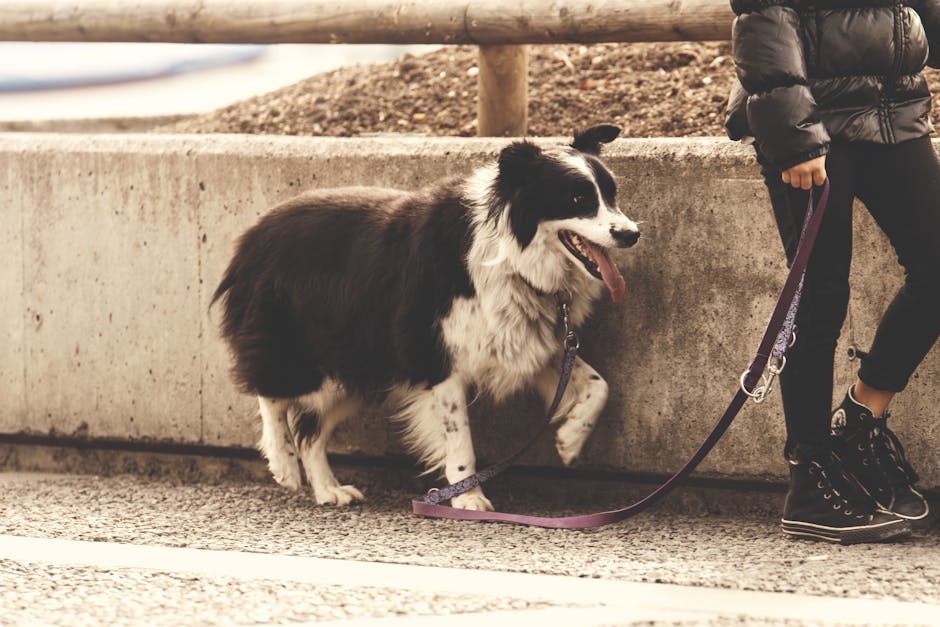
Traditional flat collars should be avoided for dogs that pull, as they concentrate pressure on the sensitive neck area and can actually encourage more pulling through opposition reflex. Retractable leashes also hinder training progress by teaching dogs that constant tension is normal and acceptable. Instead, opt for a standard six-foot leash that allows appropriate freedom while maintaining control.
Consider incorporating training treats and reward pouches into your equipment selection to ensure consistent positive reinforcement during sessions. The ability to quickly reward good behavior is essential for effective loose leash training, and having treats easily accessible encourages frequent reinforcement of desired walking behavior.
Pro Tips for Stop Dog Pulling Lead Loose Leash Training
Timing proves absolutely critical in successful leash training, with rewards needing to occur within two to three seconds of the desired behavior to create clear associations. Carry high-value treats in an easily accessible pouch and be prepared to mark good behavior instantly with verbal praise followed immediately by food rewards. This precise timing helps dogs understand exactly which behaviors earn positive consequences.
Consistency across all family members ensures training progress continues smoothly without confusion for your dog. Every person who walks the dog should use identical commands, reward timing, and responses to pulling behavior. Mixed messages from different handlers can significantly slow training progress and create uncertainty about expected behavior.
Environmental management during training phases helps set both dog and handler up for success. Begin practice sessions in low-distraction areas and gradually increase environmental challenges as loose leash skills improve. This progressive approach builds confidence and reinforces training before testing skills in more challenging situations.
Exercise your dog adequately before training sessions to reduce excess energy that might contribute to pulling behavior. A tired dog is generally more focused and responsive to training cues, making learning sessions more productive and enjoyable for both participants.

Common Mistakes to Avoid
Many dog owners inadvertently reinforce pulling behavior by allowing forward progress when the leash is tight. This intermittent reinforcement actually strengthens the pulling habit because dogs learn that persistence eventually pays off with forward movement. Always stop forward progress the moment the leash becomes taut and only resume when slack returns.
Inconsistent training schedules often lead to slower progress and frustrated owners who give up too early. Loose leash training requires daily practice sessions, even if they’re brief, to establish and maintain new behavior patterns. Sporadic training efforts confuse dogs and prevent the habit formation necessary for long-term success.
Using punishment or harsh corrections during leash training can create fear, anxiety, and even more pulling as dogs try to escape uncomfortable situations. Positive reinforcement methods prove far more effective for creating reliable, happy walking behavior that dogs want to repeat. Patience and consistency yield better results than force or intimidation tactics.
Expecting too much too quickly often leads to disappointment and abandonment of training efforts. Loose leash walking is a complex skill that requires time to develop, especially for dogs with established pulling habits. Set realistic expectations and celebrate small improvements rather than demanding perfect behavior immediately.
Key Takeaways
- Start loose leash training indoors with minimal distractions before progressing to outdoor environments
- Use positive reinforcement exclusively, rewarding good behavior within seconds of occurrence
- Choose appropriate equipment like no-pull harnesses or head collars rather than traditional neck collars
- Practice daily short sessions consistently rather than occasional long training marathons
- Stop forward progress immediately when the leash becomes tight and only resume when slack returns
Frequently Asked Questions about Stop Dog Pulling Lead Loose Leash Training
Q: What is the best stop dog pulling lead loose leash training method for strong dogs?
A: For strong dogs, combination training using a front-clip no-pull harness paired with high-value treats and the “stop and wait” technique proves most effective. This approach removes the physical advantage of pulling while teaching that forward progress only occurs with a loose leash. Consistency and patience are essential, as strong dogs often have more established pulling habits that take longer to modify through positive reinforcement training methods.
Q: How do I use stop dog pulling lead loose leash training with a reactive dog?
A: Reactive dogs require extra environmental management during loose leash training, starting with distance from triggers and gradually decreasing space as skills improve. Focus on attention exercises and reward calm behavior heavily before introducing challenging situations. Counter-conditioning techniques should be combined with loose leash training to address both the pulling behavior and the underlying reactivity triggers that contribute to the problem.
Q: How long does loose leash training typically take to show results?
A: Most dogs show initial improvement within two to four weeks of consistent daily training, though complete reliability may take several months depending on the dog’s age, previous habits, and consistency of training. Puppies and dogs without established pulling habits generally learn faster than adult dogs with years of reinforced pulling behavior.
Q: Can I use treats indefinitely during loose leash training?
A: Treats should be gradually phased to intermittent reinforcement once reliable loose leash behavior is established, but occasional food rewards help maintain the behavior long-term. Replace constant treat rewards with praise, petting, and life rewards like sniffing opportunities or play breaks to keep walking enjoyable without creating treat dependency.
Q: What should I do if my dog pulls toward other dogs during walks?
A: Practice the “look at me” command extensively and use high-value treats to redirect attention away from other dogs before your dog reaches threshold distance for pulling. Gradually decrease the distance from other dogs while maintaining attention and loose leash walking, always staying below your dog’s reaction threshold during training sessions.
Conclusion
Successful stop dog pulling lead loose leash training transforms daily walks from stressful battles into enjoyable bonding experiences for both dog and owner. The key lies in consistent positive reinforcement, appropriate equipment selection, and patience throughout the learning process. Remember that every dog learns at their own pace, and celebrating small victories builds momentum toward your ultimate goal. Start implementing these proven techniques today and enjoy the journey toward peaceful, controlled walks with your beloved companion.
Recommended Products on Amazon
As an Amazon Associate I earn from qualifying purchases.