
How to read your cat’s body language
How to Read Cat Body Language Tail Ear Posture Signs: Complete Guide
Introduction
Learning to read cat body language tail ear posture signs is one of the most rewarding skills any cat owner can develop. Cats communicate through subtle movements and gestures that often go unnoticed by those unfamiliar with their behavior. While our feline companions cannot speak in words, their tails, ears, whiskers, and overall posture tell complex stories about their emotional state, intentions, and comfort levels. Understanding these silent signals strengthens your bond with your pet and helps you recognize when they’re happy, stressed, anxious, or ready to play. This comprehensive guide will teach you how to interpret the various ways cats express themselves, transforming you into a fluent speaker of feline language.
Table of Contents
- Introduction
- Why Read Cat Body Language Tail Ear Posture Signs Matters
- Step-by-Step Guide to Reading Cat Body Language Tail Ear Posture Signs
- Best Cat Body Language Interpretation Tools and Resources
- Pro Tips for Mastering Feline Body Language
- Common Mistakes to Avoid
- Key Takeaways
- Frequently Asked Questions About Reading Cat Body Language Tail Ear Posture Signs
- Conclusion
Why Read Cat Body Language Tail Ear Posture Signs Matters
Understanding how to read cat body language tail ear posture signs is fundamental to responsible pet ownership. Cats have evolved as independent hunters, and unlike dogs, they don’t have thousands of years of selective breeding to make them naturally inclined to communicate with humans. Instead, they’ve developed a sophisticated system of non-verbal cues that reveal their inner world. When you learn this language, you can identify signs of illness, pain, anxiety, and aggression before problems escalate.
Many behavioral issues arise simply because owners misinterpret their cat’s signals. A cat that’s backing away with flattened ears isn’t being difficult—they’re communicating fear or discomfort. A cat with a slowly blinking gaze isn’t being aloof—they’re showing affection and trust. By recognizing these signals, you can respond appropriately, creating a safer, more harmonious household for everyone involved.
Additionally, understanding feline body language helps you predict and prevent conflicts, whether between cats or between a cat and humans. You’ll know when to give your pet space and when they’re receptive to interaction. This knowledge reduces stress for both you and your cat, leading to a longer, healthier relationship. It also makes veterinary visits easier, as you can better communicate with your vet about any behavioral changes you’ve noticed.
Finally, being able to read cat body language tail ear posture signs enhances your appreciation for your pet’s personality. Cats are far more expressive than many people realize, and recognizing their unique communication style deepens your emotional connection and provides endless entertainment as you discover the nuances of your individual cat’s temperament.

Step-by-Step Guide to Reading Cat Body Language Tail Ear Posture Signs
Understanding Tail Positions and Movements
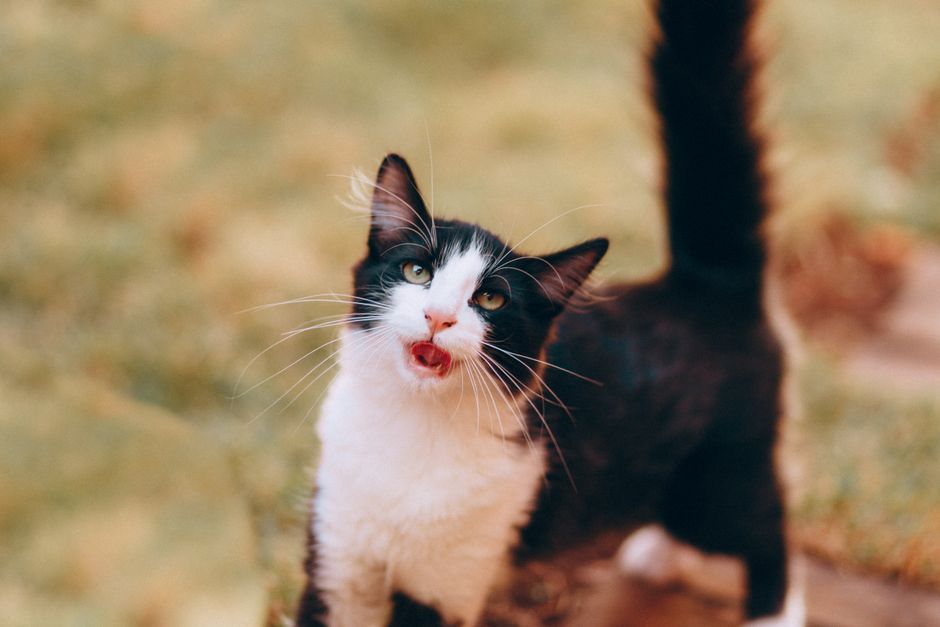
The tail is perhaps the most expressive part of a cat’s body. A vertical, upright tail with a slight hook at the tip signals confidence, friendliness, and openness to interaction. When your cat approaches you with this tail position, they’re essentially saying hello and expressing positive emotions.
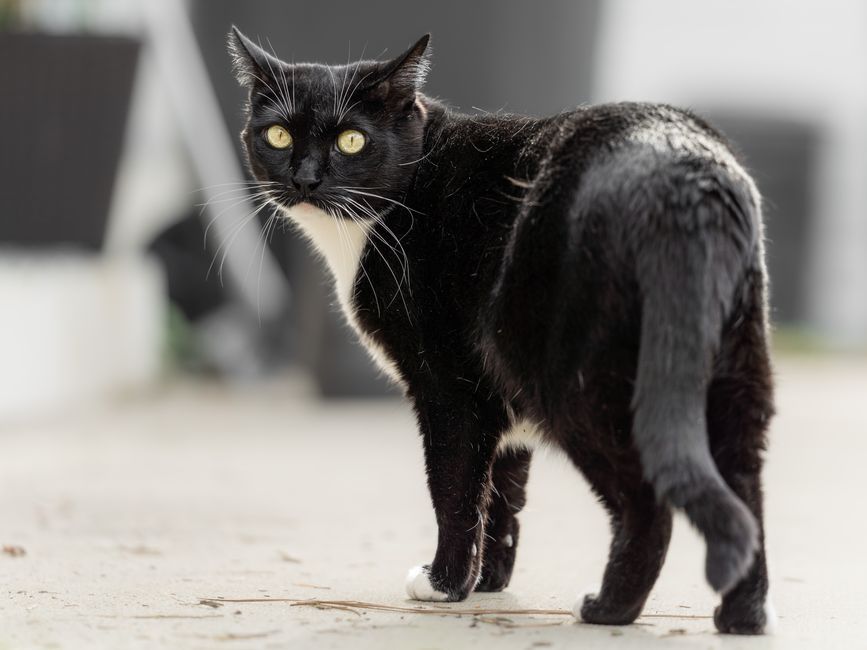
A tail held at a 45-degree angle indicates a cat that’s alert and calm. This neutral position suggests your cat is observing their surroundings without particular concern or excitement. It’s a comfortable, baseline state that you’ll see throughout your cat’s day.
A tail held low or tucked under the body is a sign of fear, submission, or physical discomfort. If your cat is consistently holding their tail in this position, it might indicate pain, illness, or an anxiety-inducing situation. This position warrants investigation and potentially a veterinary visit.
A puffed-up, bottle-brush tail indicates extreme fear or aggression. Your cat is trying to appear larger and more intimidating to potential threats. This is a defensive position that means your cat feels threatened and you should give them space immediately.
Tail thrashing or whipping back and forth rapidly suggests irritation, anger, or intense focus. A cat stalking prey will often move their tail this way as they prepare to pounce. If your cat is doing this during playtime, they’re in an excited, predatory mood.
A slowly waving or gently swishing tail indicates contentment and relaxation. This movement is often seen when cats are sitting comfortably, watching birds outside, or preparing to nap.
Decoding Ear Positions
Ear position is equally important when you read cat body language tail ear posture signs. Forward-facing, erect ears indicate alertness, curiosity, and positive attention. Your cat is engaged with whatever has captured their interest and likely feeling confident.
Ears held at a slight angle back while still remaining upright suggests a cat that’s calm but slightly uncertain. They’re processing new information while maintaining a relaxed state.
Ears rotated to the sides, pointing somewhat backward, indicate annoyance, irritation, or stress. Your cat is starting to feel frustrated and may be warning you to back off from whatever interaction is occurring.
Ears pinned flat against the head signal fear, aggression, or extreme distress. This is a critical signal that your cat feels threatened and needs immediate space. A cat with flattened ears and a tense body may be about to bite or scratch defensively.
Ears twitching or rotating toward sounds demonstrates normal auditory processing and alertness. Cats have incredible hearing, and ear movements help them locate sounds in their environment.
Reading Overall Body Posture
A cat’s general posture communicates volumes about their emotional state. A relaxed, loose body with slow movements indicates contentment and comfort. Your cat is at ease and trusting in their environment.
A stiff, rigid body held low to the ground suggests fear, anxiety, or predatory focus. If paired with crouching, this could indicate your cat is preparing to pounce, either in play or genuine hunting.
An arched back with all four paws pressed firmly into the ground demonstrates either playfulness or aggression, depending on other body signals. A playful cat will often play-bow with their rear end elevated and front legs low.
A cat rolling onto their back might seem vulnerable, but it’s actually a sign of extreme trust and relaxation. However, if this position is accompanied by hissing, swatting, or other defensive signals, your cat is actually in a defensive posture and should be left alone.
Facial Expressions and Whiskers
Whiskers and facial expressions provide crucial details for understanding feline emotions. Forward-pointing whiskers indicate alertness and confidence, while whiskers pulled back suggest fear or stress.
Slow blinking is one of the most important feline signals—it’s essentially a cat kiss and a sign of deep affection and trust. Slow blinking back at your cat reinforces this bonding moment.
Dilated pupils can indicate excitement, fear, or aggression, depending on context. Normal pupils in good lighting suggest a calm, relaxed cat.
A slight head rub or bunting behavior means your cat is marking you as part of their family and expressing strong affection.
Best Cat Body Language Interpretation Tools and Resources
Investing in the right resources helps you become fluent in feline communication. Books dedicated to cat behavior provide detailed illustrations and explanations of various body positions and what they mean.
Video resources and online tutorials allow you to see actual cats demonstrating different emotional states in real-time. Watching real feline behavior is often more instructive than illustrations alone.
Consider consulting with a certified animal behaviorist if you’re struggling to interpret specific behaviors in your cat. They can observe your individual cat and provide personalized insights into their unique communication style.
Keeping a behavior journal helps you track patterns in your cat’s body language. Over time, you’ll notice that specific signals consistently precede particular actions, allowing you to predict and influence your cat’s behavior.

Pro Tips for Mastering Feline Body Language
Spend dedicated observation time with your cat each day. Simply watching them move throughout your home, interact with other pets, and respond to various situations builds your intuition about their normal baseline behavior and what deviations might mean.
Learn your cat’s individual quirks and personality. While general body language principles apply to all cats, each feline has unique preferences and communication styles. Your specific cat might be more vocal than average or have particularly expressive tail movements.
Pay attention to context when interpreting signals. The same tail position might mean different things depending on whether your cat is playing, hunting, being petted, or encountering a stranger. Consider all available information before drawing conclusions.
Practice cross-referencing multiple signals at once. A cat’s emotional state is rarely communicated through a single indicator. The more signals that align, the more confident you can be in your interpretation.
Video record your cat’s behavior periodically. Watching recordings allows you to pause and analyze specific moments, catching subtle signals you might miss in real-time. You can also review recordings to track behavioral changes over weeks and months.
Join online cat behavior communities and forums where experienced cat owners and behaviorists discuss feline communication. These spaces provide real examples and diverse perspectives that accelerate your learning.

Common Mistakes to Avoid
One of the biggest mistakes cat owners make is anthropomorphizing feline behavior. Your cat isn’t being spiteful or stubborn—they’re communicating discomfort, fear, or unmet needs. Avoiding this mental trap helps you respond appropriately instead of taking their behavior personally.
Never punish cats for communicating distress or fear through growling, hissing, or defensive posturing. These are warnings that your cat is uncomfortable. Punishing these signals doesn’t make them disappear—it only teaches your cat to escalate directly to biting without warning.
Avoid forcing interaction with a cat displaying clear signs of fear or irritation. Many behavioral problems develop when humans don’t respect a cat’s “no” signals. If your cat’s body language indicates they want space, honor that request.
Don’t assume a cat’s body language is the same as a dog’s. While some signals are similar, cats have evolved different communication methods. A cat’s raised tail doesn’t mean the same thing as a dog’s raised tail, for example.
Resist the urge to handle a cat who is clearly overstimulated. Many cats have a low tolerance for continuous petting, and their body language will signal when they’ve had enough. Continuing to pet after they’ve signaled discomfort leads to scratching or biting.
Key Takeaways
- Tail language matters: A cat’s tail position and movement reveal emotional states from contentment to fear to aggression
- Ears tell the story: Forward ears indicate calm curiosity, while flattened ears signal fear or defensive positioning
- Posture communicates intent: Relaxed bodies indicate contentment, while stiff, low bodies suggest fear or predatory focus
- Context is crucial: Interpret body language signals within the situation—the same position might mean different things in different contexts
- Individual personalities vary: Learn your specific cat’s unique quirks and communication style for deeper understanding
Frequently Asked Questions About Reading Cat Body Language Tail Ear Posture Signs
Q: What does it mean when my cat’s tail is puffed up?
A: A puffed-up, bottle-brush tail indicates your cat is experiencing extreme fear, feeling threatened, or in a defensive state. Your cat is trying to appear larger to intimidate potential threats. Give your cat immediate space and identify what caused the fear response so you can address the underlying issue.
Q: How can I tell if my cat is happy?
A: Happy cats display multiple positive signals together: an upright tail with a slight hook, forward-facing ears, relaxed body posture, slow blinks, head rubs or bunting behavior, and sometimes purring. A cat that’s comfortable approaching you with a vertical tail is likely expressing contentment and affection.
Q: Why does my cat’s tail thrash while playing?
A: Tail thrashing during play is actually predatory behavior—your cat is simulating the hunting instinct. Rapid tail movements help cats balance as they pounce and prepare to strike. This is completely normal feline behavior and indicates your cat is engaged and having fun.
Q: What should I do if my cat’s ears are pinned back?
A: Pinned-back ears signal fear or defensive aggression. Stop any interaction immediately and give your cat space. Identify what triggered the fear response—it could be loud noises, unfamiliar people or animals, or pain from an injury or illness. If this becomes a regular pattern, consult your veterinarian.
Q: Can a cat’s body language predict aggression?
A: Yes, certain signals often precede aggressive behavior: pinned-back ears, dilated pupils, stiff body posture held low, tail thrashing, and a focused stare. Recognizing these warning signs allows you to remove yourself or your cat from the situation before any violence occurs, preventing injuries.
Conclusion
Learning to read cat body language tail ear posture signs transforms your relationship with your feline companion and prevents countless behavioral problems. By understanding the meaning behind tail positions, ear angles, body posture, and facial expressions, you gain insight into your cat’s emotional world and can respond to their needs more effectively. This knowledge helps you recognize when your cat is content, fearful, playful, or in pain—information that’s essential for their well-being and safety. Start observing your cat with fresh eyes today, and you’ll quickly discover that they’re far more communicative than you ever realized.
Recommended Products on Amazon
As an Amazon Associate I earn from qualifying purchases.


