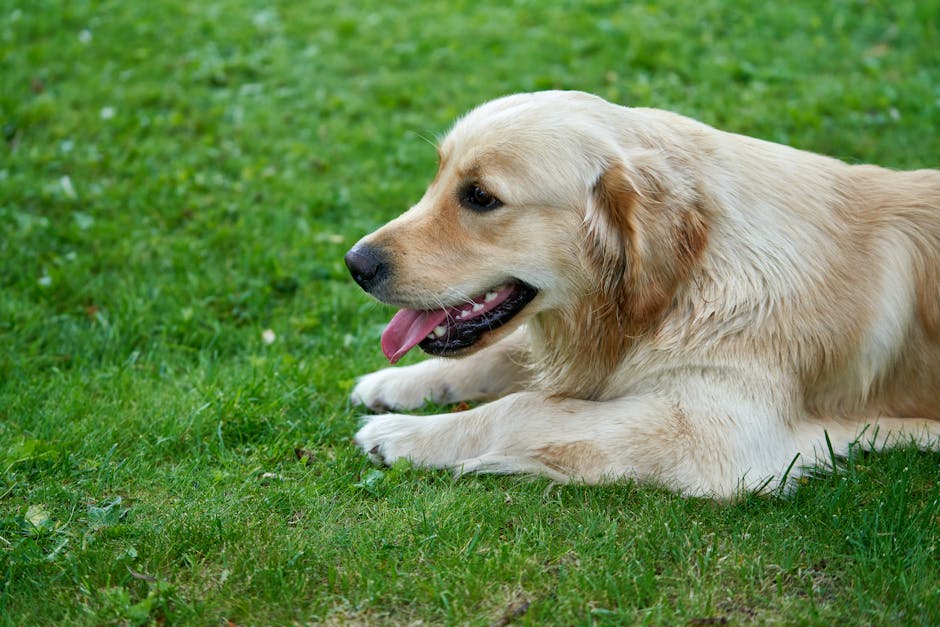
How to groom a golden retriever at home
How to Groom a Golden Retriever at Home: The Ultimate Best Guide 2025
Introduction
Learning how to groom a golden retriever home brush trim bath routine is one of the most rewarding skills any dog owner can develop. Golden retrievers are beloved family companions known for their beautiful, lustrous coats and friendly dispositions, but their grooming needs require dedication and proper technique. Whether you’re looking to save money on professional grooming services or simply want to bond more closely with your furry friend, mastering the art of at-home grooming will transform your pet’s health and appearance. This comprehensive guide will walk you through every step of the grooming process, from selecting the right tools to perfecting your technique, ensuring your golden retriever looks and feels their absolute best.
Table of Contents

- Introduction
- Why Grooming a Golden Retriever at Home Matters
- Step-by-Step Guide to Grooming Your Golden Retriever at Home
- Best Tools and Products for At-Home Grooming
- Pro Tips for Successful At-Home Grooming Sessions
- Common Mistakes to Avoid
- Key Takeaways
- Frequently Asked Questions About Grooming Your Golden Retriever at Home
- Conclusion
Why Grooming a Golden Retriever at Home Matters
Regular grooming is far more than just keeping your golden retriever looking attractive—it’s a crucial component of their overall health and well-being. Golden retrievers have double coats that shed considerably throughout the year, with particularly heavy shedding seasons in spring and fall. When you learn to groom golden retriever home brush trim bath routines properly, you’re actively preventing matting, reducing excessive shedding around your home, and allowing you to spot potential skin issues, parasites, or abnormalities early on.
The financial benefits of home grooming are substantial and shouldn’t be overlooked. Professional grooming services for golden retrievers typically cost between $75 and $150 per session, and most dogs require grooming every 6-8 weeks. Over the course of a year, this can quickly add up to significant expenses. By investing in quality grooming tools and learning proper techniques, you can perform basic grooming at home and potentially reduce professional grooming visits to just a few times annually for specialized services.
Beyond the practical advantages, at-home grooming sessions provide an excellent opportunity to strengthen your bond with your golden retriever. These quiet, one-on-one sessions allow you to communicate with your pet, handle them gently, and build trust. Golden retrievers are intelligent and responsive dogs that appreciate gentle handling and positive reinforcement. Many owners find that regular grooming sessions help their dogs become more comfortable with handling, making veterinary visits and other care routines significantly less stressful.
Regular brushing also promotes healthy skin and coat by distributing natural oils throughout the fur. This not only keeps the coat shiny and healthy but also strengthens the skin barrier against environmental irritants and parasites. A well-groomed dog is a healthier dog, with fewer skin infections, ear problems, and overall health complications related to poor coat maintenance.

Step-by-Step Guide to Grooming Your Golden Retriever at Home
Preparation and Setup
Before you begin the grooming process, proper preparation is essential for success. Choose a calm, well-lit area in your home where you have plenty of space to work comfortably—a bathroom with a non-slip mat or a dedicated grooming station works best. Gather all your supplies in advance so you won’t be interrupted mid-grooming, and ensure you have plenty of clean towels available for drying.
Start by brushing your dog’s coat thoroughly when it’s dry to remove any tangles, mats, or loose fur. This is perhaps the most important step in learning how to groom golden retriever home brush trim bath correctly. Use a slicker brush or deshedding tool to work through the entire coat, paying special attention to areas behind the ears, under the legs, and around the tail where matting commonly occurs.
Test the water temperature with your hand before introducing your dog to the bath. The water should be lukewarm, around 95-100°F, as this is most comfortable for dogs and helps them relax during the bathing process.
Bathing Your Golden Retriever
Begin the bath by wetting your dog’s coat thoroughly with lukewarm water, starting from the neck and working your way down toward the tail. Avoid spraying water directly in your dog’s face or ears, as this can be uncomfortable and potentially lead to water in the ear canal. Use a cup or handheld showerhead to carefully wet the head area, keeping water away from the eyes, nose, and ears.
Once fully wet, apply a high-quality dog shampoo formulated for golden retrievers, ideally one designed for double-coated breeds. Massage the shampoo into the coat using circular motions, making sure it penetrates the undercoat while being gentle on the skin. Pay special attention to areas that tend to get dirtier, such as the paws, chest, and rear end, spending extra time on any spots with visible dirt or odors.
After thoroughly shampooing, rinse the entire coat completely with clean water. Incomplete rinsing is a common mistake that can leave residue in the coat, potentially causing itching and skin irritation. Continue rinsing until the water runs clear and you no longer see any shampoo suds.
Conditioning and Second Rinse
Conditioning is particularly important for golden retrievers, as it helps maintain coat health and makes the brushing and drying process much easier. Apply a dog conditioner, again focusing on the body and working it through the coat thoroughly. Leave the conditioner in for the recommended time on the bottle, typically 2-5 minutes, to allow it to penetrate the coat effectively.
Rinse the conditioner out completely using the same thorough technique as with the shampoo. Make sure every bit of conditioner is removed, as leftover residue can make the coat appear dull and cause matting issues. The conditioning step genuinely transforms how your dog’s coat feels and looks after drying.
Drying Your Golden Retriever
Begin by gently squeezing excess water from your dog’s coat using your hands, then wrap them in clean, absorbent towels. Allow the towels to absorb as much moisture as possible—this step is crucial for reducing drying time and preventing your dog from getting too cold. Some owners use multiple towels, changing them as they become saturated.
For the most efficient drying, use a high-velocity dog dryer or a human hair dryer on a low heat, low-speed setting. A high-velocity dryer can significantly reduce drying time and help blow out loose fur from the undercoat, making the subsequent brushing phase much easier. Never use a human dryer on high heat, as this can burn your dog’s sensitive skin. Keep the dryer at a safe distance and regularly check the coat temperature with your hand.
While drying, continue brushing through the coat with a slicker brush or undercoat rake to remove loose fur and prevent matting. The drying phase is an excellent opportunity to use a deshedding tool, as the combination of heat and brushing helps remove enormous amounts of loose undercoat. This is especially important for golden retrievers, whose shedding can be quite substantial.
Trimming and Final Grooming
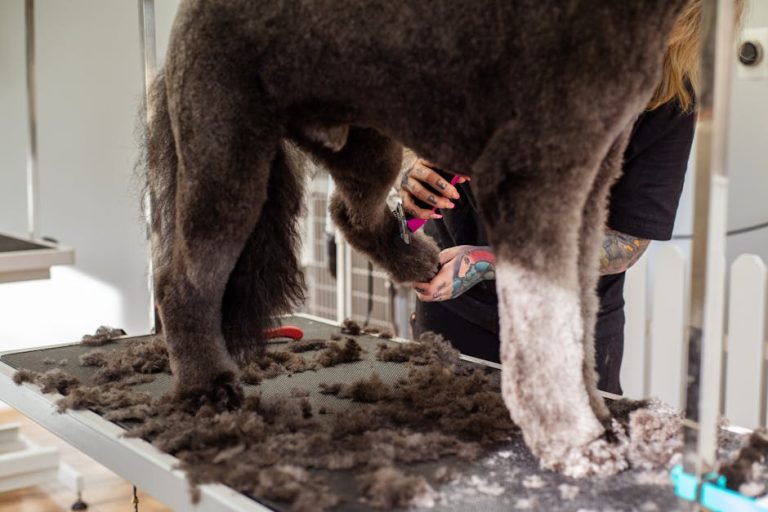
Once your dog is completely dry, assess which areas need trimming. Most golden retrievers benefit from minor tidying rather than complete coat trimming—focusing on the feathering (longer hair) on the legs, belly, and tail. Use blunt-tipped dog grooming scissors to trim excess hair around the paws and between the toe pads, as this helps prevent matting and reduces the chance of dirt accumulation.
Trim around the ears carefully, removing excess hair that might trap moisture and lead to ear infections. For most owners, learning to groom golden retriever home brush trim bath correctly means knowing where to trim conservatively—it’s always better to trim too little and have your dog look natural rather than over-trim and create an unbalanced appearance.
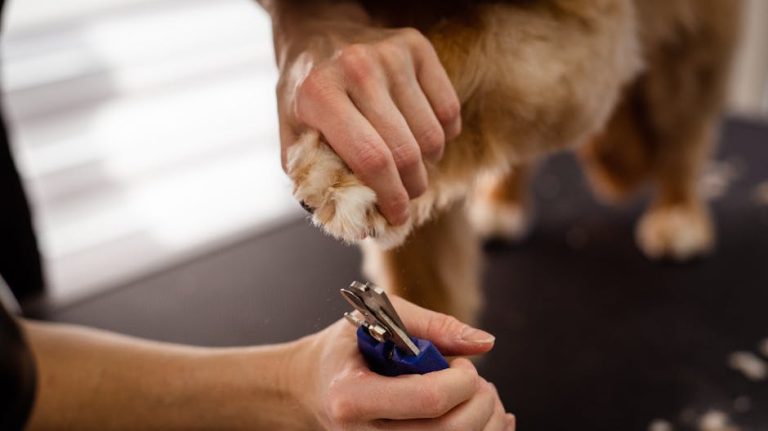
Finally, trim the nails using dog nail clippers or a nail grinder. If you’re uncomfortable with this step, your veterinarian or a professional groomer can handle nail care. Clean the ears with a dog ear cleaner and cotton ball, gently wiping away any wax buildup or debris. Brush the teeth daily or at least several times weekly with dog-specific toothpaste to maintain oral health.
Best Tools and Products for At-Home Grooming
Essential Brushing Tools
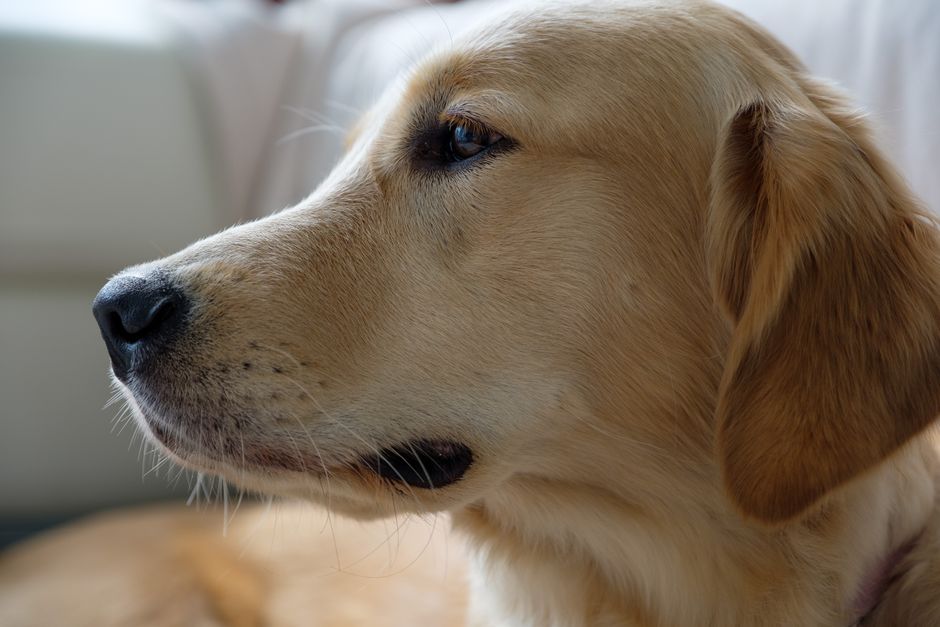
Investing in high-quality brushes is fundamental to successful home grooming. A slicker brush is essential for removing mats and tangles, while an undercoat rake or deshedding tool specifically removes loose hair from the dense undercoat that golden retrievers possess. A metal comb is also valuable for checking your work and detecting any remaining mats you might have missed.
When shopping for grooming tools, look for ergonomic designs that won’t cause hand fatigue during longer grooming sessions. High-quality brushes might cost more initially but last significantly longer and work more effectively than budget options. Consider purchasing a grooming glove as well, which many dogs find less intimidating than traditional brushes while still effectively removing loose hair.
Shampoo and Conditioning Products
The shampoo you select makes a tremendous difference in your dog’s coat quality and appearance. Choose a dog shampoo specifically formulated for golden retrievers or all-natural dog shampoos that won’t strip the coat’s natural oils. Avoid human shampoos, which have a different pH balance and can irritate canine skin.
Oatmeal-based shampoos are excellent for dogs with sensitive skin, while medicated shampoos might be recommended if your golden retriever has specific skin conditions. Conditioning is equally important, especially for long-coated breeds like golden retrievers. A good conditioner makes brushing easier and leaves the coat looking shiny and healthy.
Drying Equipment
While towel drying works, investing in a dog dryer dramatically improves the grooming experience. High-velocity dryers are particularly effective for golden retrievers because they blow out loose undercoat while being gentle on the skin. If a high-velocity dryer is beyond your budget, a low-heat hair dryer works acceptably, though it takes longer and is less effective at removing undercoat.
Nail Care and Grooming Tools
Quality nail clippers or a nail grinder are essential tools for maintaining paw health. A nail grinder often provides a smoother finish and is less likely to cause quick damage than clippers if you’re inexperienced. Dog ear cleaners specifically formulated for canine ears help prevent infections and maintain ear health effectively.
Pro Tips for Successful At-Home Grooming Sessions
Establish a Regular Routine
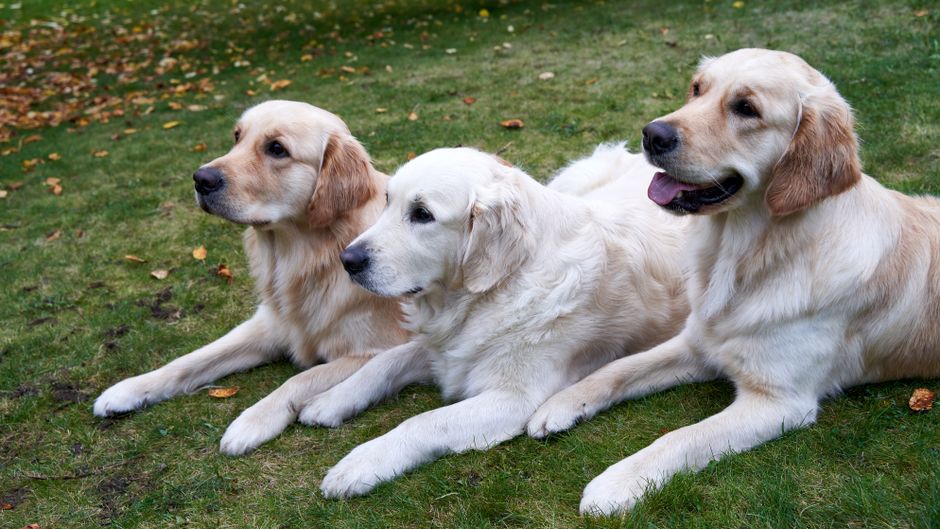
Consistency is key when establishing successful grooming practices at home. Schedule regular grooming sessions every 4-6 weeks, depending on your dog’s shedding cycle and how quickly their coat grows. Golden retrievers shed year-round but experience heavier shedding periods, so you might increase grooming frequency during these times.
Keep your grooming sessions positive and rewarding by using treats, praise, and a calm demeanor throughout the process. If your dog is anxious about grooming, start with short sessions and gradually increase duration as they become more comfortable. A dog that enjoys grooming is significantly easier to work with and will cooperate better during future sessions.
Master the Deshedding Technique
The undercoat rake and deshedding tool are your secret weapons against excessive shedding. Work in sections, starting from the head and moving toward the tail, using gentle pressure and short, purposeful strokes. The goal is to remove loose hair from the undercoat without pulling healthy hair or irritating the skin.
Deshedding is most effective when done regularly throughout the year, not just during shedding seasons. Investing 15-20 minutes every few days to brush out loose hair prevents massive matting and dramatically reduces the amount of dog hair throughout your home. Many owners find this the most satisfying part of grooming, as the amount of hair removed is visibly impressive.
Watch for Skin Issues
Use grooming time as an opportunity to thoroughly inspect your dog’s skin for any concerning changes. Look for redness, bumps, unusual odors, or excessive scratching that might indicate underlying health issues. Early detection of skin problems can prevent minor issues from developing into serious infections or allergies requiring veterinary intervention.
Part the coat in several areas and carefully examine the skin beneath. Golden retrievers are prone to certain skin conditions, so any unusual findings should be discussed with your veterinarian. Many skin problems are manageable if caught early but can become serious if left untreated.
Keep Your Dog Comfortable
Invest in a non-slip mat for your grooming area to help your dog feel secure and prevent injuries from slipping. Some owners use grooming tables, while others prefer the floor or bathtub. Whatever setup you choose, ensure your dog can’t easily escape and that you have good access to all parts of their body.
Maintain a calm, patient demeanor throughout grooming sessions. Dogs are highly perceptive and will pick up on your stress or frustration. If you’re becoming frustrated, take a break and resume later when you’re calmer. Your dog’s emotional well-being during grooming is just as important as the physical grooming itself.
Common Mistakes to Avoid
Skipping the Pre-Bath Brush
Many owners make the mistake of bathing their dog without thoroughly brushing first. Bathing a matted coat actually worsens matting by tightening knots when the hair is wet. Always brush your golden retriever completely before bathing, no matter how tedious this step might seem. This single step prevents countless grooming problems down the road.
Using the Wrong Water Temperature
Water that’s too hot can burn your dog’s sensitive skin, while water that’s too cold is uncomfortable and may cause your dog to resist future baths. Always test the water temperature with your hand before exposing your dog to it. The ideal temperature is similar to a comfortable warm shower for humans.
Neglecting the Ears
Golden retrievers’ floppy ears create a warm, moist environment where bacteria and yeast thrive. Failing to properly clean and dry the ears can lead to painful infections that require veterinary treatment. Always gently clean inside the ears and ensure they’re completely dry after bathing. If you notice any unpleasant odors or discharge from the ears, consult your veterinarian immediately.
Over-Bathing Your Dog
Some owners bathe their golden retrievers too frequently, which can strip natural oils from the coat and skin. Once every 4-6 weeks is appropriate for most golden retrievers, though this varies based on activity level and lifestyle. Dogs that spend significant time outdoors or in water might need more frequent baths, while others need them less often.
Using Improper Grooming Techniques
Never pull the brush aggressively through mats or knots, as this causes pain and damages healthy hair. Instead, work gently and patiently, using a mat splitter or dematting tool if needed. If matting is severe, your veterinarian or a professional groomer might need to use sedation or other methods to safely remove it.
Key Takeaways
-
Regular brushing prevents matting and reduces shedding: Spend 15-20 minutes every few days using deshedding tools to remove loose undercoat and prevent matting issues.
-
Proper bathing technique is fundamental: Always brush before bathing, use lukewarm water, select appropriate shampoos, and rinse completely to maintain coat health.
-
High-quality grooming tools make the process easier: Invest in proper brushes, clippers, and drying equipment designed specifically for dogs to achieve professional results at home.
-
Grooming is a health and bonding opportunity: Use grooming sessions to inspect your dog’s skin, spot potential health issues early, and strengthen your relationship through gentle, consistent handling.
-
Consistency and patience yield the best results: Establish regular grooming routines every 4-6 weeks and maintain a calm demeanor to keep your dog comfortable and cooperative.
Frequently Asked Questions About Grooming Your Golden Retriever at Home
Q: What is the best way to groom golden retriever home brush trim bath for beginners?
A: Start with a thorough dry brush before bathing, invest in quality tools including a slicker brush and deshedding tool, and follow a structured approach: brush, bath, condition, dry, and final trimming. Begin with shorter sessions and gradually increase complexity as you gain confidence. Many beginners find it helpful to watch professional grooming videos to understand proper technique before starting. Don’t hesitate to ask your veterinarian for guidance or consider having a professional groomer demonstrate techniques on your specific dog.
Q: How often should I groom golden retriever home brush trim bath routines?
A: Most golden retrievers benefit from full grooming sessions every 4-6 weeks, with weekly brushing in between. During heavy shedding seasons (spring and fall), increase deshedding sessions to 2-3 times per week to manage the volume of loose hair. The exact frequency depends on your dog’s individual coat, activity level, and lifestyle, so adjust based on what you observe in your dog’s appearance and shedding patterns.
Q: What tools are absolutely essential for learning to groom golden retriever home brush trim bath?
A: At minimum, you need a slicker brush, undercoat rake, dog shampoo, conditioner, towels, nail clippers or grinder, and scissors with rounded tips. A high-velocity dryer isn’t essential but makes the process dramatically easier. As you advance, you might add grooming tables, ear cleaners, and specialized tools for specific needs, but these basics allow you to perform comprehensive grooming at home.
Q: How can I tell if my golden retriever has matting, and how do I remove it safely?
A: Matting appears as tangled clumps of hair that feel like little knots throughout the coat. Check by running your fingers through the coat, especially in areas behind ears and on the back legs. For minor mats, use a mat splitter or dematting tool gently, working from the outside of the mat inward. Never pull aggressively or bathe a matted coat, as this worsens matting. Severe matting might require professional help or veterinary intervention.
Q: What health signs should I watch for while grooming my golden retriever?
A: During grooming, look for skin redness, bumps, unusual lumps, excessive scratching, foul odors, or parasites. Check the ears for redness, discharge, or odor indicating infection. Examine the paws for cuts, cracks, or signs of infection between toes. Gently inspect the teeth for plaque buildup or signs of dental disease. Report any concerning findings to your veterinarian promptly, as early detection prevents minor issues from becoming serious health problems.
Conclusion
Mastering how to groom golden retriever home brush trim bath procedures is an investment that pays dividends in your dog’s health, appearance, and happiness. By following this comprehensive guide, establishing a consistent routine, and using quality tools, you’ll develop grooming skills that rival professional results while saving significant money and deepening your bond with your beloved golden retriever. Remember that grooming should be a positive experience for both you and your dog—start slowly, remain patient, and celebrate small successes as you progress. Your golden retriever will thank you with a beautiful, healthy coat and the satisfaction of knowing you’re providing the best possible care for your furry family member.
Recommended Products on Amazon
As an Amazon Associate I earn from qualifying purchases.