How to give a cat liquid medicine
How to Give a Cat Liquid Medicine with the Syringe Method: 5 Essential Steps to Keep Your Cat Calm
Learning how to give a cat liquid medicine with the syringe method keeps your cat calm and makes medication administration stress-free for both you and your feline companion. Whether your cat is dealing with an infection, chronic condition, or temporary illness, administering liquid medication doesn’t have to be a battle. Many pet owners dread this task, but with the right approach and understanding of the syringe method, you can make the experience manageable and even peaceful. This comprehensive guide will walk you through everything you need to know about giving your cat liquid medicine safely and effectively while keeping your cat calm throughout the process.
Table of Contents
- Why Give a Cat Liquid Medicine with the Syringe Method Calm Matters
- Step-by-Step Guide to Give a Cat Liquid Medicine with the Syringe Method to Keep Them Calm
- Best Options for Giving Cats Liquid Medicine with the Syringe Method to Keep Them Calm
- Pro Tips for Successfully Giving Your Cat Liquid Medicine with the Syringe Method to Keep Them Calm
- Common Mistakes to Avoid When You Give Cat Liquid Medicine with the Syringe Method
- Key Takeaways
- Frequently Asked Questions About Give a Cat Liquid Medicine with the Syringe Method to Keep Them Calm
- Conclusion
Why Give a Cat Liquid Medicine with the Syringe Method Calm Matters
Administering medication to cats presents unique challenges compared to other pets. Cats are naturally independent, sensitive to stress, and have an incredible ability to detect and resist anything unfamiliar or unpleasant. When you need to give a cat liquid medicine with the syringe method to keep them calm, understanding the importance of this approach becomes crucial for several reasons.
First, liquid medications often work faster than pills because they’re already in a form your cat’s body can absorb more readily. Many antibiotics, pain relievers, and other medications come in liquid formulations specifically designed for cats who cannot swallow pills or would spit them out. The syringe method ensures your cat receives the exact dosage prescribed by your veterinarian, which is essential for effective treatment. Unlike hiding medication in food, which your cat might reject or only partially consume, the syringe method delivers the full dose directly into your cat’s mouth.
Stress and anxiety can actually interfere with your cat’s recovery process. When a cat becomes overly stressed during medication administration, their cortisol levels spike, which can suppress their immune system and slow healing. By learning how to give a cat liquid medicine with the syringe method while keeping them calm, you’re not just making the task easier—you’re actually supporting your cat’s health and recovery. A calm cat is more likely to cooperate, making the process quicker and less traumatic for everyone involved.
Understanding the proper technique also prevents accidents and ensures safety. Improper administration might cause aspiration, where liquid goes into the lungs instead of the stomach, leading to serious complications. The syringe method, when done correctly, delivers medication to the back of the throat where it can be safely swallowed. This knowledge gives you confidence and reassurance that you’re doing right by your beloved pet.

Step-by-Step Guide to Give a Cat Liquid Medicine with the Syringe Method to Keep Them Calm
Preparation and Timing
The foundation of successful medication administration begins long before you actually give the medicine. Start by preparing a calm environment at least 30 minutes before you plan to give the medication. Dim the lights, close doors to minimize external noises, and ensure family members understand they should remain quiet and uninvolved during the process. Your cat picks up on your energy and stress levels, so taking deep breaths and approaching this task with a positive, patient mindset is absolutely essential.
Choose the optimal time for administration based on your cat’s daily routine. Most cats are calmer during their natural resting periods, which typically occur after meals or during early evening. Avoid times when your cat is playing, eating, or already agitated. If possible, have another person available to gently hold your cat’s body while you administer the medication, though for many cats, a calm solo approach works best.
Gather all necessary supplies before you begin so you’re not scrambling mid-process. You’ll need the prescribed liquid medication in its original bottle, the syringe provided by your veterinarian or a pet-specific syringe, a small towel or blanket for control if needed, and treats for positive reinforcement afterward. Having everything ready demonstrates professionalism to your cat and reduces your stress, which translates to a calmer experience overall.
Step One: Draw the Correct Dosage
Before touching your cat, accurately measure the prescribed dose into your syringe. Most veterinarians will specify the exact milliliter amount needed. Shake the medication bottle gently if instructed, then insert the syringe into the bottle and withdraw slightly more than the needed amount. Hold the syringe upright and carefully depress the plunger to remove air bubbles and adjust the level to the exact dosage line.
Double-check the dosage measurement against your veterinarian’s instructions to prevent under or overdosing. This step is critical because even small variations can affect medication efficacy or safety. Once you’ve confirmed the correct amount, keep the syringe upright and place it within arm’s reach of where you’ll be administering the medication.
Step Two: Create a Secure but Comfortable Position
Position yourself and your cat in a comfortable location where you feel stable and confident. Many pet owners find the best approach is to sit on the floor with their back against a wall, creating a safe, enclosed space. Gently place your cat on your lap or between your legs, ensuring they have some security without feeling completely trapped.
For cats that are particularly anxious, you can wrap a soft blanket loosely around their body, keeping their head free and accessible. This technique, sometimes called “burrito wrapping,” provides security without restraint and helps some cats feel safer. Never forcefully restrain your cat, as this creates negative associations and makes future medication administration increasingly difficult.
Speak to your cat in a soft, soothing voice throughout this process. Use their name and calming phrases like “good kitty” and “you’re doing great.” Your calm demeanor directly influences your cat’s stress level, so maintaining a peaceful presence is one of the most important techniques you can employ.
Step Three: Open Your Cat’s Mouth Gently
With your non-dominant hand, gently cradle your cat’s head from above, placing your thumb and index finger at the corners of their mouth where the jaw naturally opens. Apply gentle, steady pressure without pinching. Avoid grabbing your cat’s face aggressively, as this creates fear and resistance.
As you apply gentle pressure, your cat’s mouth should naturally open slightly. If they resist, don’t force it—instead, release pressure, wait a few seconds, and try again with even gentler pressure. Some cats respond better if you start by letting them lick a tiny amount of the medication from your finger to build familiarity and trust with the taste.
Once your cat’s mouth is open, you’re ready to introduce the syringe. The key is to do this smoothly and confidently without hesitation, as cats can sense uncertainty.
Step Four: Administer the Medication
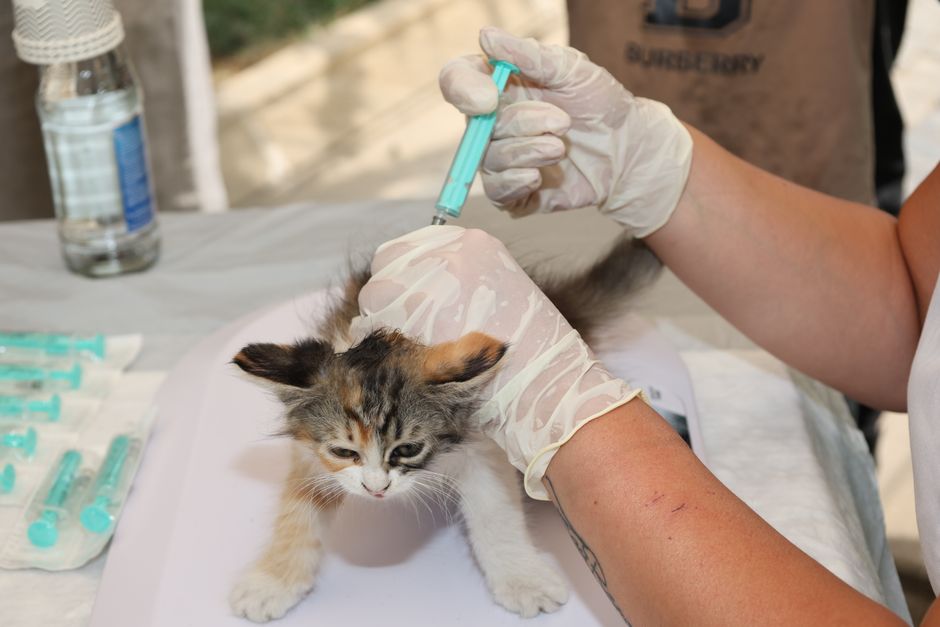
Insert the syringe tip into the side of your cat’s mouth, aiming toward the back of the throat but not so far back that it triggers gagging. The ideal placement is along the inside of the cheek toward the back molars. This position allows you to deposit the medication where your cat must swallow it, ensuring proper ingestion.
Slowly and gently depress the syringe plunger, releasing the medication in small pulses rather than one large push. This approach gives your cat time to swallow naturally and prevents overwhelming their reflexes. Watch for your cat’s swallowing motion to confirm they’re taking the medicine properly.
If your cat spits out some medication, remain calm and patient. Never attempt to give a second dose immediately, as you cannot accurately determine how much was actually ingested. Wait 15-30 minutes and consult your veterinarian about whether to retry the dose or wait until the next scheduled time.
Step Five: Positive Reinforcement and Aftercare
Immediately after successful medication administration, praise your cat enthusiastically and offer a high-value treat they love. This positive reinforcement creates an association between taking medicine and receiving rewards, making future doses much easier. Popular treat options include small pieces of freeze-dried chicken, salmon treats, or special cat treats reserved only for medication days.
Allow your cat to move freely and return to their normal activities. Avoid picking them up or restraining them further unless necessary. Some cats benefit from a few extra minutes of gentle petting and attention on their own terms, but respect their need for space if they want to move away.
Monitor your cat for the next 30 minutes to ensure they don’t vomit or show signs of distress. Most cats tolerate liquid medication well, but it’s important to stay alert during this adjustment period.
Best Options for Giving Cats Liquid Medicine with the Syringe Method to Keep Them Calm
Professional-Grade Pet Syringes
Veterinary-approved syringes designed specifically for pet medication administration offer the best precision and comfort for your cat. These syringes feature clear measurement markings, smooth plungers that operate with minimal resistance, and blunt tips designed to safely deliver medication without sharp edges. Many veterinarians provide these syringes free of charge when they prescribe liquid medications, but having extras on hand is always practical.
Look for syringes with secure, easy-to-read measurement lines that prevent accidental over or under-dosing. The size of the syringe matters too—for most cats, a 1-3mL syringe works perfectly, providing precise measurement without being so large it’s difficult to handle. Some syringes include dosing caps that lock onto the plunger to prevent accidental movement, adding an extra safety layer.
Professional syringes often come with rubber tubing that can be attached if your veterinarian recommends medication administration in a specific way. The flexibility and quality of these dedicated medical syringes significantly outperform generic kitchen syringes, making them worth the small investment if your cat requires ongoing liquid medication.
Pill Crusher and Liquid Suspension Options
Some medications can be compounded into different forms by specialty veterinary pharmacies. If your cat absolutely cannot tolerate liquid medication, speak with your veterinarian about whether the prescription can be reformulated. Some drugs can be mixed into flavored liquid suspensions that taste better and are easier to administer, or they can be ground into powders and mixed with wet food.
However, this option doesn’t work for all medications, as some active ingredients are affected by the compounding process or require the exact delivery method of the original liquid. Always consult your veterinarian before requesting any reformulation, and be prepared that some medications won’t have alternatives.
Specialized pet pharmacies often charge additional fees for compounding services, but the ease of administration may be worth the extra cost if you have a particularly resistant cat. Many of these pharmacies offer flavoring options like chicken, tuna, or salmon to make medications more palatable.
Medication Delivery Aids and Flavor Enhancers
Specially designed medication delivery aids can make the process easier and less stressful for both you and your cat. Pet gel formulas can be mixed with liquid medication to make it thicker and easier to control during administration. These gels coat your cat’s mouth slightly, making swallowing easier and reducing the gagging reflex that some cats experience.
Flavor enhancers specifically formulated for cats can mask the taste of medications that have unpleasant flavors. These come in various cat-approved flavors like chicken broth, tuna, and salmon. A small amount mixed with the liquid medication can make the experience less unpleasant for your cat. Some cats will even lick these flavored mixtures off a small plate or directly from your finger, eliminating the need for syringe administration altogether.
These aids should only be used according to veterinarian recommendations, as some medications cannot be mixed with certain substances without compromising their effectiveness. Always confirm with your vet before introducing any additives to your cat’s prescribed medication.
Pro Tips for Successfully Giving Your Cat Liquid Medicine with the Syringe Method to Keep Them Calm
Start practicing with small amounts of water in the syringe several days before you need to give actual medication. This desensitization technique allows your cat to become familiar with the syringe, your handling, and the sensation of liquid in their mouth without the stress of actual medication. Many cats who had negative experiences previously become much more cooperative after this preparation phase.
Consider having your veterinarian demonstrate the administration technique in person before you attempt it at home. Watching a professional administer liquid medication shows you proper hand positioning, speed, and technique that’s difficult to understand from written instructions alone. Don’t be embarrassed to ask for this demonstration—veterinarians expect it and encourage it.
Keep detailed records of when you administer each dose, how much your cat consumed, and any reactions or difficulties you experienced. This documentation helps your veterinarian track your cat’s response to medication and adjust treatment if necessary. It also prevents accidental double-dosing or missed doses, which is particularly important for medications where consistency matters.
Always approach medication administration with confidence and calm energy. Cats are incredibly perceptive and will sense hesitation or anxiety. Even if you’re nervous, project calm and competence through your body language and tone of voice. This psychological aspect is surprisingly important for the physical success of the process.
Reward your cat not just after successful administration, but also during preparation stages. Give treats when your cat allows you to handle their mouth during practice sessions, when they sit calmly as you prepare the syringe, and when they cooperate throughout the process. Building positive associations at every stage makes the entire experience progressively easier.
Keep the medication at room temperature unless your veterinarian specifies otherwise. Cold liquid is more unpleasant for cats, so taking the bottle out of the refrigerator 30 minutes before use makes the experience more comfortable. Always check your veterinarian’s storage instructions, as some medications have specific temperature requirements.

Common Mistakes to Avoid When You Give Cat Liquid Medicine with the Syringe Method
One of the most common mistakes is forcing the syringe too far back into the cat’s throat, triggering gagging and vomiting. The ideal placement is at the side of the mouth toward the back molars, not deep in the throat. Depositing medication at this location allows your cat to naturally swallow it without reflex activation. If gagging occurs, you’re inserting the syringe too far.
Administering the entire dose too quickly overwhelms your cat’s swallowing reflexes and often results in spitting or vomiting. Depress the plunger slowly, allowing time for natural swallowing between pulses of medication. This patience takes only an extra 30 seconds but dramatically increases success rates.
Failing to confirm your cat actually swallowed the medication is another frequent error. Some cats are excellent at creating the appearance of swallowing while actually holding liquid in their cheek pouches to spit out later. Watch for actual throat movements and listen for gulping sounds to confirm ingestion.
Administering medication immediately after meals can cause stomach upset and vomiting in some cats. Space medication administration at least one hour away from feeding times unless your veterinarian specifically instructs otherwise. Similarly, some medications should be given with food, so always follow your vet’s specific instructions about timing relative to meals.
Many pet owners give up after one difficult experience instead of trying alternative approaches or techniques. Each cat is different, and what doesn’t work on the first try might succeed with a modified approach. Consulting your veterinarian for alternatives and remaining patient is crucial for long-term medication success.
Punishing or showing frustration toward your cat after a messy medication administration creates lasting negative associations. Your cat didn’t deliberately resist medication to upset you; they were genuinely stressed. Maintaining calm and patience, even when frustrated, preserves your relationship and makes future doses easier.
Key Takeaways
-
Preparation is essential: Gather supplies, choose the right time, and create a calm environment before attempting to administer liquid medication to ensure success.
-
Proper technique matters: Position the syringe at the side of the mouth toward the back molars, not deep in the throat, and administer slowly to prevent gagging and ensure proper swallowing.
-
Positive reinforcement builds cooperation: Reward your cat immediately after successful medication administration with high-value treats and praise to create positive associations.
-
Calm energy is contagious: Your stress level directly affects your cat’s response, so approaching the task with confidence and patience makes the experience less traumatic for both of you.
-
Consultation and desensitization prevent problems: Practice with water beforehand, ask your veterinarian for demonstrations, and maintain detailed records to optimize medication administration over time.
Frequently Asked Questions About Give a Cat Liquid Medicine with the Syringe Method to Keep Them Calm
Q: What is the best way to give a cat liquid medicine with the syringe method to keep them calm?
A: The best approach combines proper preparation, desensitization, and technique. Create a calm environment, position your cat comfortably on your lap or between your legs, gently open their mouth at the side, and insert the syringe tip toward the back molars. Depress the plunger slowly to allow natural swallowing, then immediately offer high-value treats for positive reinforcement. Your calm demeanor throughout the process significantly influences your cat’s cooperation and stress levels.
Q: How do I use a syringe to give my cat liquid medicine safely?
A: Draw the exact prescribed dosage into the syringe, position your cat securely, and gently hold their head from above. Insert the syringe at the side of their mouth toward the back molars, avoiding deep throat placement that triggers gagging. Depress the plunger slowly in small pulses, allowing time for swallowing between releases. Watch for confirmation that your cat actually swallows, and reward them immediately afterward. Never rush the process or force medication down your cat’s throat.
Q: What should I do if my cat spits out the medication?
A: Remain calm and don’t immediately attempt to re-administer the dose. You cannot accurately determine how much was ingested, so administering more could result in overdosing. Wait 15-30 minutes, then contact your veterinarian about whether to retry the dose or wait until the next scheduled administration time. If spitting out medication becomes a consistent problem, ask your vet about alternative medication forms or administration methods.
Q: Can I mix liquid medication with food or treats?
A: Some liquid medications can be mixed with wet food or special treats, but others lose effectiveness when combined with certain foods. Always consult your veterinarian before mixing medication with anything. They can advise whether mixing is safe for the specific medication your cat is taking. If mixing is approved, use strong-flavored foods like tuna or chicken to mask medication taste.
Q: How can I get my cat to cooperate better during medication administration?
A: Practice desensitization with water in the syringe for several days beforehand, create a calm environment free from stress and distractions, approach the task with confident calm energy, and immediately reward cooperation with high-value treats. Building positive associations at every stage transforms medication administration from a battle into a manageable routine. Having your veterinarian demonstrate proper technique can also improve your confidence and success rates.
Conclusion
Learning how to give a cat liquid medicine with the syringe method keeps your cat calm while ensuring effective medication delivery for their health and recovery. This essential skill empowers you to provide proper care for your beloved feline companion, whether managing acute illness or chronic conditions. By following the step-by-step techniques outlined in this guide, preparing thoroughly, maintaining a calm demeanor, and using positive reinforcement, you can transform medication administration from a stressful struggle into a manageable, even peaceful routine. Your veterinarian is your best resource for specific guidance about your individual cat’s needs, so never hesitate to ask questions or request demonstrations. With practice and patience, you’ll develop confidence in administering liquid medication safely and compassionately.
Recommended Products on Amazon
As an Amazon Associate I earn from qualifying purchases.