
How to clean a dog’s teeth at home
How to Clean Dog Teeth at Home: The Complete Guide to Brush, Gel, and Dental Chew Solutions
Introduction
Learning how to clean dog teeth at home using the right brush, gel, and dental chew products is one of the most important responsibilities you can embrace as a pet owner. Just like humans, dogs require regular dental care to maintain healthy teeth and gums, prevent disease, and ensure a long, vibrant life. Many pet owners are unaware that dental problems are among the most common health issues affecting dogs today, with studies showing that over 80% of dogs over the age of three suffer from some form of dental disease.
Table of Contents
- Introduction
- Why Clean Dog Teeth at Home Brush, Gel, and Dental Chew Matters
- Step-by-Step Guide to Clean Dog Teeth at Home Using Brush, Gel, and Dental Chew Products
- Best Clean Dog Teeth Home Brush, Gel, and Dental Chew Options
- Pro Tips for Clean Dog Teeth at Home Using Brush, Gel, and Dental Chew Solutions
- Common Mistakes to Avoid When Establishing Your Dental Care Routine
- Key Takeaways
- Frequently Asked Questions About Clean Dog Teeth Home Brush, Gel, and Dental Chew Solutions
- Conclusion
The good news is that you don’t need expensive professional cleanings every month if you establish a solid at-home dental care routine. By learning how to clean dog teeth at home with the right tools—including appropriate brushes, enzymatic gels, and recommended dental chews—you can significantly reduce plaque buildup, prevent tartar formation, and keep your dog’s breath fresh. This comprehensive guide will walk you through everything you need to know to get started.
Why Clean Dog Teeth at Home Brush, Gel, and Dental Chew Matters
Dental health is directly connected to your dog’s overall well-being and longevity. When plaque accumulates on your dog’s teeth, it hardens into tartar, which can only be removed professionally. This buildup creates an environment where bacteria thrive, leading to gum disease, tooth decay, and potentially more serious health complications affecting the heart, kidneys, and liver.
Regular home dental care using a brush, gel, and dental chew combination helps prevent these serious conditions from developing in the first place. Dogs with poor oral hygiene often experience pain while eating, develop bad breath, and may lose teeth prematurely—all of which significantly impact their quality of life. By investing time in daily or regular dental maintenance, you’re essentially investing in your dog’s health and potentially saving thousands of dollars in future veterinary dental procedures.
Beyond the physical health benefits, maintaining your dog’s teeth also impacts their behavior and happiness. Dogs suffering from dental pain may become irritable, reluctant to eat their regular food, or withdrawn from activities they normally enjoy. A dog with a healthy mouth is typically a happier, more active dog who can enjoy meals without discomfort and maintain the social interactions that enrich their life.
Studies have shown that dogs with good dental health tend to live longer lives than those with poor oral hygiene. Bacteria from infected teeth and gums can enter the bloodstream and affect vital organs, so preventing dental disease is truly preventative medicine. By starting a home dental care routine early in your dog’s life, you establish healthy habits that compound over time.

Step-by-Step Guide to Clean Dog Teeth at Home Using Brush, Gel, and Dental Chew Products
Getting Started: Preparation and Acclimation
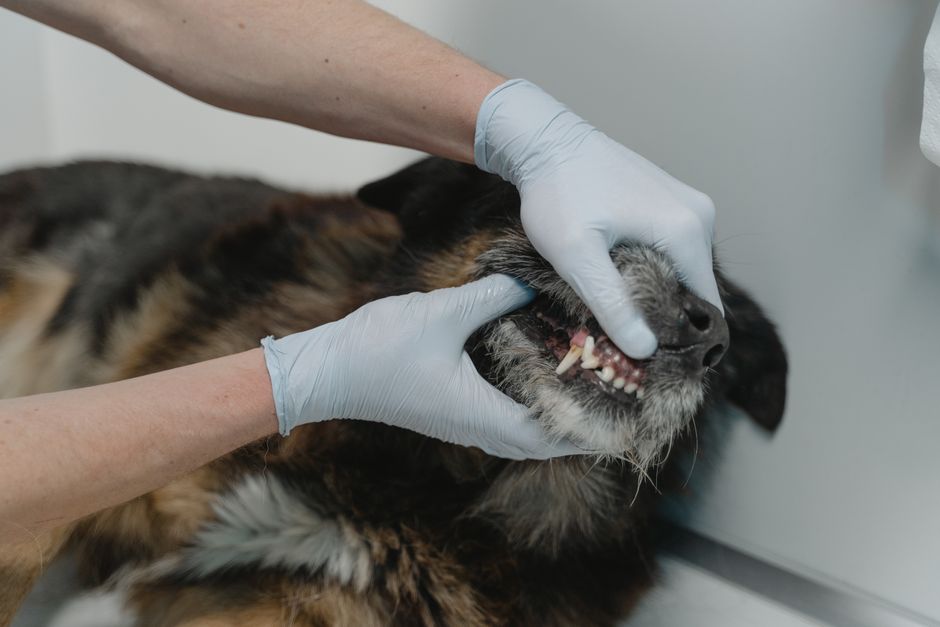
Before you attempt to clean your dog’s teeth, you need to help your dog become comfortable with the process. Start by letting your dog get used to having your fingers near their mouth during regular playtime or petting sessions. Gently lift their lip and touch their teeth and gums with your finger, rewarding them with praise and treats each time they allow this contact.
This acclimation phase is crucial and shouldn’t be rushed, especially if your dog has never had their teeth touched before. Spend several days or even weeks getting your dog comfortable with mouth handling if necessary. Your patience during this phase will make the actual brushing process significantly easier and more pleasant for both you and your dog.
Selecting the Right Toothbrush
Choosing an appropriate toothbrush is fundamental to your at-home dental care routine. There are several types available, including traditional soft-bristled brushes designed specifically for dogs, finger brushes that slip over your index finger, and electric toothbrushes made for canine use. Dog toothbrushes typically have softer bristles than human toothbrushes and angled handles designed to reach the back molars easily.
Finger brushes offer excellent control and are less intimidating for anxious dogs, while traditional brushes provide more coverage. Electric toothbrushes can be highly effective at removing plaque, though some dogs find them too stimulating initially. The best choice depends on your dog’s temperament and your personal preference—what matters most is consistency and gentle technique rather than the specific tool you choose.
Applying the Right Enzymatic Gel
Enzymatic toothpaste formulated for dogs is essential because human toothpaste can be toxic to dogs and contains ingredients they shouldn’t swallow. Dog toothpaste typically contains enzymes that help break down plaque and fight bacteria, and many come in flavors dogs enjoy like poultry or peanut butter. Apply a small amount of gel to your toothbrush—about the size of a pea is sufficient for most dogs.
The enzymes in quality dental gels work to eliminate odor-causing bacteria and reduce plaque formation even between brushing sessions. Many of these products contain ingredients like glucose oxidase and lactoperoxidase, which create an antibacterial environment in the mouth. Some gels also contain essential oils like peppermint or spearmint, which provide additional fresh-breath benefits while being safe for dogs.
The Brushing Technique
Position yourself comfortably with your dog sitting or standing beside you, and gently lift their upper lip to expose the outer surfaces of their teeth. Using small circular motions, brush along the gum line where plaque typically accumulates most heavily. Spend extra attention on the back molars, as these teeth collect the most plaque and are often neglected during at-home care.
Work your way around all the outer surfaces of the upper teeth, then move to the lower teeth using the same technique. Most dogs will tolerate having you brush the outer surfaces more readily than the inside surfaces, and that’s perfectly fine—the outer surfaces are where most plaque accumulates anyway. Brush for about one minute per session, focusing on consistency over duration, and always end on a positive note with praise and a small treat.
Incorporating Dental Chews into Your Routine
After brushing, offering a dental chew creates a multi-pronged approach to oral hygiene and gives your dog a positive association with dental care. Dental chews work mechanically through the chewing action to scrape away plaque and tartar, similar to how fibrous foods naturally clean teeth. Many dental chews also contain enzymes or other ingredients that further support oral health.
Dental chews should be given daily or several times per week, depending on the product recommendations and your veterinarian’s guidance. They’re particularly useful on days when you don’t actively brush your dog’s teeth, providing ongoing plaque control. Choose dental chews appropriate for your dog’s size and chewing habits, and always supervise chewing to prevent any choking hazards or intestinal blockages.

Best Clean Dog Teeth Home Brush, Gel, and Dental Chew Options
Premium Enzymatic Gel Products
The market offers many excellent enzymatic gels specifically formulated for canine dental health, each with unique benefits and features. Products containing glucose oxidase and lactoperoxidase enzymes have been clinically proven to reduce plaque formation and fight oral bacteria more effectively than brushing alone. These enzymes create a hostile environment for harmful bacteria while being completely safe for your dog to swallow.
Some premium options include enzymatic gels with added ingredients like chlorhexidine for enhanced antibacterial protection or zinc compounds to reduce inflammation. Look for products that have been accepted by the Veterinary Oral Health Council (VOHC), as these have met rigorous standards for safety and effectiveness. Higher-quality gels often have better flavor acceptance, making your dog more cooperative during brushing sessions.
Top-Rated Toothbrush Options
When selecting a toothbrush, consider both the brush design and handle ergonomics for your comfort. The Petrodex dual-sided toothbrush features soft bristles on one side and gentle rubber nubs on the other, providing variety in the cleaning action and preventing gum irritation. For dogs that need a gentler introduction to brushing, finger brushes provide excellent control and feel less invasive.
Electric toothbrushes designed for dogs have gained popularity in recent years, with some models using ultrasonic technology to break down plaque without manual brushing effort. These can be particularly helpful for dogs with severe plaque buildup or for owners with limited dexterity. Battery-powered options are typically more affordable than high-end human electric toothbrushes while still providing effective cleaning.
Effective Dental Chew Solutions
Dental chews vary widely in composition, size, and effectiveness, so selecting the right product for your individual dog is important. Greenies Original Dental Chews are among the most popular choices and have VOHC approval, featuring a texture specifically designed to reduce plaque and tartar while being digestible. These chews contain natural ingredients and are appropriate for dogs of various sizes.
Virbac C.E.T. Enzymatic Oral Hygiene Chews combine mechanical action with enzymes similar to those in enzymatic gels, providing dual-action plaque prevention. For dogs that prefer softer chews or have fewer teeth, there are options like enzymatic rawhide alternatives or softer rope-style chews that still provide some mechanical cleaning. Always choose chews appropriately sized for your dog to prevent choking and consult your veterinarian if your dog has specific dietary restrictions or health conditions.
Comprehensive Dental Care Systems
Some companies offer complete dental care kits that include a toothbrush, enzymatic gel, and supplementary products all designed to work together synergistically. These kits eliminate the guesswork of selecting compatible products and often provide better value than purchasing items separately. Complete systems typically focus on specific aspects of oral health, such as whitening, fresh breath, or tartar prevention.
Natural and organic options have become increasingly available for owners seeking products with minimal chemical additives. These products often use plant-based enzymes and essential oils instead of synthetic ingredients, though they must still maintain effectiveness to be worth using. Whichever products you choose, consistency with daily or regular use matters far more than selecting the absolute premium option—a budget-friendly routine you maintain beats an expensive routine you abandon.

Pro Tips for Clean Dog Teeth at Home Using Brush, Gel, and Dental Chew Solutions
Timing and Frequency Guidelines
Ideally, you should brush your dog’s teeth daily, similar to human dental care recommendations, but even three to four times per week provides significant benefits over no brushing at all. If daily brushing feels overwhelming, establish a realistic schedule you can maintain consistently—a routine you follow three times weekly is far superior to daily brushing that lasts only two weeks before you stop. Many owners find success by associating brushing with an existing habit, such as brushing after their morning coffee or before their dog’s dinner.
Dental chews should complement your brushing routine rather than replace it entirely. On days when you don’t brush, offering a dental chew helps maintain plaque control between active cleaning sessions. Consider your dog’s overall health, age, and risk factors when determining how frequently to brush—dogs with a family history of dental disease may benefit from daily brushing, while younger dogs with good genetics might do well with less frequent care.
Creating a Positive Experience
The key to long-term success with any dental care routine is creating positive associations. Never force brushing sessions, and keep them short—even 30 to 45 seconds of effective brushing is better than a stressful three-minute struggle. Use high-value treats and enthusiastic praise to reward your dog for cooperating, and consider brushing at a time when your dog is naturally calm, such as after exercise.
Some owners find that their dog becomes more willing to cooperate if they practice on a specific schedule, like every evening after dinner. Dogs are creatures of habit, and once your dog understands that brushing time is followed by a favorite treat, they may actually begin looking forward to the routine. Never get frustrated or raise your voice if your dog resists—patience and positive reinforcement will ultimately succeed where force will fail.
Monitoring for Signs of Dental Disease
While performing your at-home care, carefully observe your dog’s mouth for signs of developing problems that may require professional veterinary attention. Watch for excessive tartar buildup that doesn’t respond to brushing, persistent bad breath that worsens over time, swollen or bleeding gums, loose or missing teeth, or reluctance to eat hard foods. These symptoms may indicate more advanced dental disease requiring professional intervention.
Regular brushing also makes you more familiar with your dog’s mouth, making it easier to spot changes. By examining your dog’s teeth multiple times weekly, you’ll notice problems much earlier than if you never look in their mouth. Early detection can prevent serious health complications and reduce the need for costly professional procedures.
Using Water Additives as a Supplement
Dental water additives represent an easy way to support oral health without additional effort, though they should never replace mechanical cleaning with a brush. These products typically contain the same beneficial enzymes found in toothpaste and work throughout the day as your dog drinks water. Simply add the recommended amount to your dog’s water bowl, and your dog receives continuous enzymatic protection.
Water additives are particularly useful for dogs who strongly resist brushing, or as an additional layer of protection alongside brushing. Many are odorless and flavorless, making them invisible to your dog. While they won’t control plaque as effectively as physical brushing, they represent a valuable adjunct that requires minimal effort for meaningful benefit.
Common Mistakes to Avoid When Establishing Your Dental Care Routine
Using Human Toothpaste or Incorrect Products
One of the most serious mistakes pet owners make is using human toothpaste on their dogs. Human toothpaste contains fluoride and often includes xylitol, an artificial sweetener that is highly toxic to dogs even in small amounts. Additionally, human toothpaste formulations include ingredients designed to be spit out, not swallowed, making them inappropriate for dogs who will inevitably swallow whatever you put in their mouth.
Always use only toothpaste formulated specifically for dogs, and never use baking soda as a substitute, despite its popularity in some home remedy circles. Baking soda is too abrasive for dog gum tissue and can cause irritation or damage. Stick with veterinarian-approved enzymatic dog toothpastes that are safe if swallowed and formulated to optimize canine oral health.
Neglecting the Back Teeth
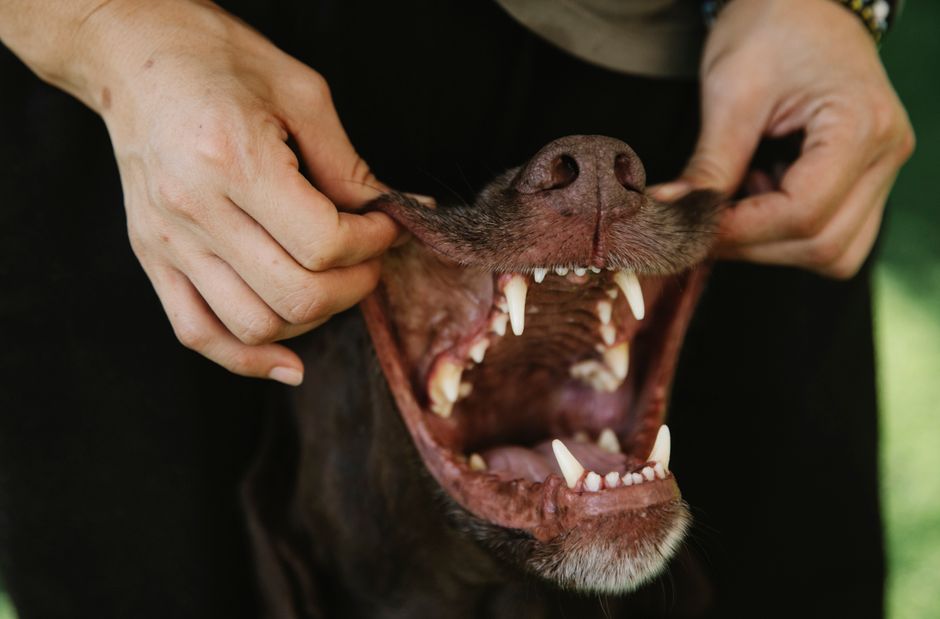
Back molars are the most commonly neglected teeth during at-home brushing, yet they accumulate plaque most rapidly because they’re used most heavily during chewing. Focusing all your brushing effort on the front incisors because they’re easy to access sets you up for failure in preventing dental disease. Make a conscious effort to spend at least as much time on back teeth as front teeth, even if your dog finds it less pleasant.
The molars are also the teeth most likely to develop decay if left unbrushed, so directing your effort toward these problem areas pays major dividends in dental health. If your dog strongly resists having their back teeth brushed, work gradually with treats and positive reinforcement to desensitize them to this necessary care.
Giving Up Too Quickly or Being Inconsistent
Establishing a dental care routine takes patience, and expecting your dog to cooperate perfectly on the first attempt is unrealistic. Many owners brush their dog’s teeth once or twice, become frustrated, and abandon the effort entirely. Real success requires committing to consistent care over weeks and months, with the understanding that your dog will gradually become more cooperative as they acclimate to the routine.
Consistency matters more than perfection—a dog whose teeth are brushed three times weekly receives far more benefit than a dog whose teeth are brushed intensively for one week every month. Even if you miss days or don’t follow your routine perfectly, continuing to try is what creates the cumulative benefit. Dental disease develops slowly, so your consistent effort prevents it gradually over time rather than producing immediate visible results.
Inadequate Technique or Pressure
Some owners brush too vigorously, applying excessive pressure that irritates gum tissue and causes bleeding or pain, making the dog reluctant to cooperate in future sessions. Gentle circular motions at the gum line are far more effective than aggressive scrubbing. Your goal is to remove plaque that hasn’t yet hardened into tartar, not to scour away existing tartar, which requires professional tools and expertise.
Similarly, trying to brush all surfaces of every tooth during each session often leads to inadequate cleaning rather than comprehensive care. Focusing on outer surfaces where plaque accumulates most heavily yields better results than trying to perfect inner surfaces your dog may never allow you to fully access.
Key Takeaways
- Start slowly and build positive associations by allowing your dog to acclimate to mouth handling before attempting actual brushing sessions
- Consistency beats perfection: Establish a realistic routine you can maintain rather than an ambitious schedule you’ll eventually abandon
- Use only dog-specific products, including enzymatic toothpaste, to ensure safety and effectiveness
- Focus on problem areas, especially back molars where plaque accumulates most rapidly and dental disease develops fastest
- Combine multiple approaches using brushing, enzymatic gel, dental chews, and water additives for comprehensive protection
Frequently Asked Questions About Clean Dog Teeth Home Brush, Gel, and Dental Chew Solutions
Q: What is the best clean dog teeth home brush, gel, and dental chew combination?
A: The best combination depends on your individual dog’s preferences and your ability to maintain consistency. Most veterinarians recommend enzymatic gel products with VOHC approval, quality soft-bristled toothbrushes designed for dogs, and dental chews appropriate for your dog’s size. Products like Virbac C.E.T., Petrodex, Oxyfresh, and Greenies have strong track records of effectiveness. The “best” option is ultimately the one you’ll use regularly—an affordable routine you maintain beats premium products gathering dust in your cabinet.
Q: How do I use clean dog teeth home brush, gel, and dental chew products correctly?
A: Begin brushing by applying a pea-sized amount of enzymatic gel to your toothbrush, then gently lift your dog’s lip and brush outer tooth surfaces using small circular motions, concentrating on the gum line. Focus extra attention on back molars, work for about one minute, and always end positively with praise. On non-brushing days or as a supplement, offer a dental chew appropriate for your dog’s size. For maximum benefit, brush three to four times weekly, supplement daily with dental chews, and consider a water additive for additional enzymatic protection throughout the day.
Q: How often should I brush my dog’s teeth?
A: Ideally, dogs should have their teeth brushed daily, similar to human recommendations, but even three to four times weekly provides significant benefits. If daily brushing isn’t realistic for your schedule, maintain whatever frequency you can consistently achieve. Even once weekly provides meaningful plaque prevention compared to never brushing, though more frequent care yields better results. Consistency over months and years matters far more than perfect daily adherence.
Q: Can I use dental chews instead of brushing?
A: Dental chews provide valuable supplementary plaque control and work great on non-brushing days, but they shouldn’t entirely replace mechanical brushing. Chewing action removes plaque mechanically, but enzymatic brushing provides more thorough cleaning and directly reaches the gum line where harmful bacteria concentrate. Combining brushing, enzymatic gel, and dental chews creates the most comprehensive at-home care approach.
Q: When should I take my dog to a professional veterinary dentist?
A: Annual professional dental examinations are recommended for all dogs, particularly those over age seven or with family history of dental disease. Professional cleaning becomes necessary when tartar buildup doesn’t respond to home care, or if you notice signs of disease like bleeding gums, loose teeth, excessive bad breath, or eating difficulties. Your veterinarian can assess whether professional cleaning is needed based on your dog’s individual risk factors and current dental health status.
Conclusion
Mastering how to clean dog teeth at home using a combination of quality brush, gel, and dental chew products is one of the most impactful health investments you can make for your canine companion. By establishing a consistent routine incorporating gentle brushing with enzymatic gel several times weekly, supplementing with appropriate dental chews, and monitoring for signs of problems, you’ll significantly reduce your dog’s risk of painful dental disease while potentially adding healthy years to their life.
Remember that perfection isn’t required—consistency and patience matter far more. Start slowly, work at your dog’s pace, celebrate small victories, and maintain realistic expectations. Your effort invested in daily or regular dental care today prevents expensive professional procedures tomorrow while keeping your dog healthier and happier throughout their life. Consult with your veterinarian about the best approach for your individual dog’s needs and age.
Recommended Products on Amazon
As an Amazon Associate I earn from qualifying purchases.