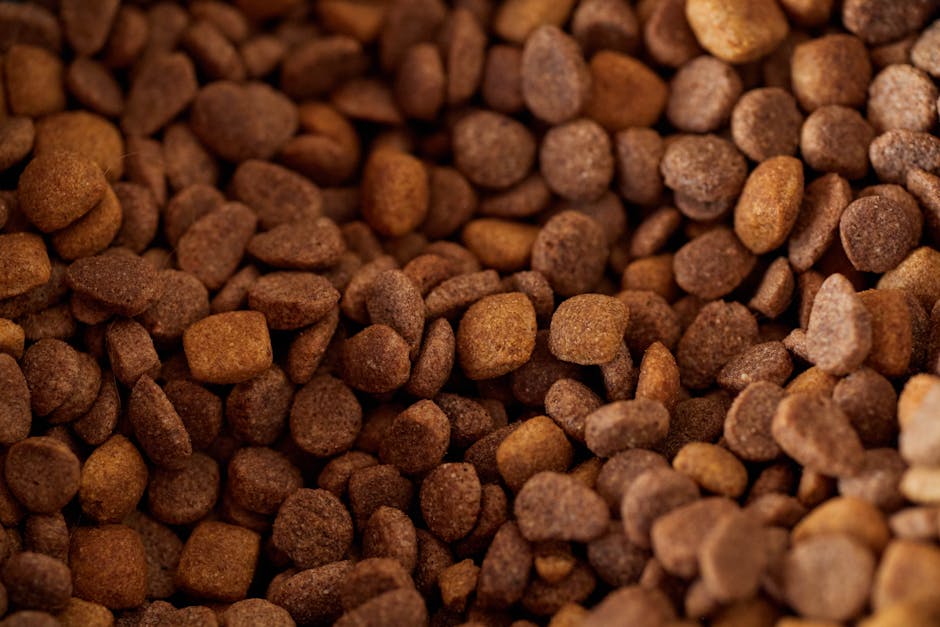
How to store dry pet food correctly
How to Store Dry Pet Food in an Airtight Container and Keep It Fresh: The Ultimate Guide
Learning how to store dry pet food in an airtight container and keep it fresh is one of the most important responsibilities of pet ownership. Proper storage not only maintains nutritional value but also prevents contamination, pests, and spoilage that could harm your beloved companion. Many pet owners overlook this critical aspect of pet care, assuming that simply keeping kibble in the original bag is sufficient. However, understanding the best practices for maintaining your pet’s food quality can extend its shelf life, save you money, and ensure your dog or cat receives optimal nutrition at every meal. This comprehensive guide will walk you through everything you need to know about preserving your pet’s food quality and freshness.
Table of Contents
- Why Storing Dry Pet Food in an Airtight Container and Keeping It Fresh Matters
- Step-by-Step Guide to Storing Dry Pet Food in an Airtight Container and Keeping It Fresh
- Best Options for Storing Dry Pet Food in an Airtight Container and Keeping It Fresh
- Pro Tips for Storing Dry Pet Food in an Airtight Container and Keeping It Fresh
- Common Mistakes to Avoid
- Key Takeaways
- Frequently Asked Questions About Storing Dry Pet Food in an Airtight Container and Keeping It Fresh
- Conclusion
Why Storing Dry Pet Food in an Airtight Container and Keeping It Fresh Matters
Proper storage of your pet’s food directly impacts their health and wellbeing. When dry kibble is exposed to air, moisture, and environmental contaminants, it deteriorates rapidly, losing essential vitamins, minerals, and nutritional content that your pet depends on for optimal health. Oxidation occurs naturally when kibble comes into contact with oxygen, causing fats in the food to break down and become rancid, which can lead to digestive issues, dull coats, and weakened immune systems in your pets.
Beyond nutritional degradation, improper storage creates an ideal environment for harmful bacteria, mold, and pest infestations. Pantry pests like Indian meal moths, weevils, and beetles are attracted to stored grains and can quickly colonize unsealed food bags, making the kibble unsafe for consumption. These infestations can spread throughout your kitchen and are notoriously difficult to eliminate once established, potentially contaminating other food sources in your home.
Understanding how to store dry pet food in an airtight container and keep it fresh also extends the product’s shelf life, allowing you to buy in bulk and save money without worrying about waste. Most dry pet foods have a shelf life of 6-18 months from the manufacturing date, but this timeline significantly decreases once the original bag is opened. An airtight storage solution can maintain freshness for months longer, ensuring every meal your pet receives meets nutritional standards and tastes as intended.
Additionally, fresh food simply tastes better to your pet, encouraging consistent eating habits and preventing feeding refusals that can lead to nutritional deficiencies. Stale or rancid kibble may cause your pet to lose interest in meals, making it difficult to maintain proper caloric intake and overall health.

Step-by-Step Guide to Storing Dry Pet Food in an Airtight Container and Keeping It Fresh
Step 1: Choose the Right Container
Begin by selecting an appropriate airtight container specifically designed for food storage. Look for containers made from food-grade plastic or glass with secure, airtight seals that create a barrier against oxygen and moisture. The container should be large enough to hold your pet’s food supply while remaining compact enough to fit in your pantry or designated storage area. Consider purchasing a container specifically labeled for pet food storage, as these are engineered to maintain freshness better than generic containers.
Step 2: Transfer Food Properly
Before transferring kibble to your storage container, inspect the original bag for the manufacturing and best-by dates. Pour the kibble carefully into your airtight container, taking care to avoid spilling and ensure you don’t introduce any contaminants. If you’re combining multiple bags of the same food, make sure to use the oldest kibble first to maintain freshness rotation and prevent waste.
Step 3: Seal Everything Tightly
After filling your container, secure the lid tightly to create an airtight seal. Press down firmly to engage all locking mechanisms, and verify that the seal is complete around the entire perimeter. A properly sealed container should feel slightly difficult to open and shouldn’t allow air to escape when gently squeezed. Check the seal regularly to ensure it remains intact and functions properly over time.
Step 4: Label Your Container
Write the product name, purchase date, and best-by date directly on your storage container using a waterproof marker. This labeling system helps you track freshness and rotate stock appropriately, ensuring you use older food first. For added organization, include your pet’s name and any relevant dietary information, which is especially helpful in multi-pet households.
Step 5: Store in the Right Location
Place your sealed container in a cool, dry location away from direct sunlight, heat sources, and humidity. Ideal storage temperatures range between 50-70°F, making a pantry, basement, or dedicated pet supply closet perfect choices. Avoid storing pet food near appliances that generate heat or in areas prone to temperature fluctuations, as these conditions accelerate degradation and create environments where pests and mold thrive.
Step 6: Maintain Regular Checks
Periodically inspect your storage container for signs of damage, seal deterioration, or pest activity. Check the seal monthly and replace the container if you notice any cracks, warping, or compromised sealing mechanisms. If you detect any unusual smells, discoloration, or pest evidence inside the container, discard the affected food immediately and thoroughly clean the container before use.
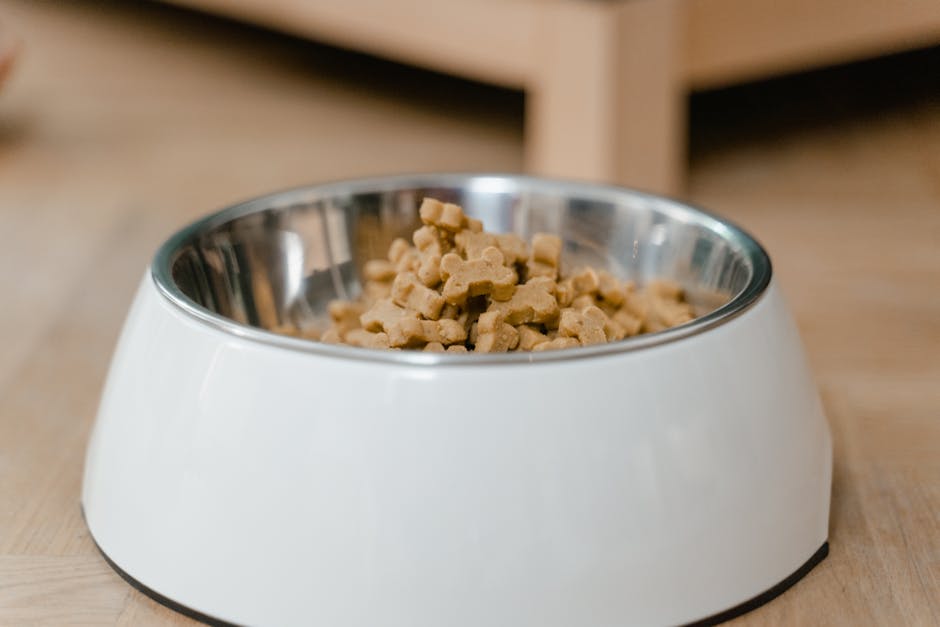
Best Options for Storing Dry Pet Food in an Airtight Container and Keeping It Fresh
Premium Airtight Container Solutions
The market offers numerous containers specifically designed for storing dry pet food in an airtight container while keeping it fresh. Gamma2 Vittles Vault containers feature stackable designs with patented sealing systems that maintain airtight conditions while allowing easy access for daily feeding. These containers come in multiple sizes ranging from 5 to 35 pounds of kibble capacity, making them suitable for single-pet and multi-pet households alike.
Iris Airtight Pet Food Storage Containers offer transparent designs that allow you to monitor food levels without opening the container. The transparent plastic walls help you plan purchases and prevent over-buying, while the stackable design saves valuable pantry space. These containers feature locking mechanisms on all four corners, ensuring a superior seal that protects against moisture and pests more effectively than standard containers.
Budget-Friendly Alternatives
If premium pet-specific containers are outside your budget, food-grade storage containers designed for human food work equally well. Rubbermaid and similar brands produce affordable airtight containers that meet all requirements for proper dry pet food storage. Glass containers with metal locking lids provide excellent protection against oxygen infiltration and pests, though they’re heavier and require more storage space than plastic alternatives.
Multi-Container Systems
For households with multiple pets eating different food types, investing in a multi-container system provides superior organization and prevents accidental food mixing. Some manufacturers offer color-coded systems with labels, making it easy to identify different pet foods at a glance. These systems typically include 2-4 containers of varying sizes with matching lids, streamlining your storage setup and improving accessibility.
Pro Tips for Storing Dry Pet Food in an Airtight Container and Keeping It Fresh
Implement a FIFO System
Adopting a First-In-First-Out (FIFO) inventory system ensures you always use the oldest food first, minimizing waste and maintaining optimal freshness. Store new purchases behind existing containers, and rotate stock consciously. This simple practice prevents situations where older food expires while newer stock remains unused, maximizing your investment in quality nutrition.
Use Food-Grade Oxygen Absorbers
For long-term storage, consider adding food-grade oxygen absorbers to your sealed containers. These small packets remove residual oxygen from inside the container, creating an oxygen-free environment that dramatically slows oxidation and extends freshness. Oxygen absorbers are inexpensive, widely available, and safe for pet food storage when used according to manufacturer instructions.
Invest in Moisture-Control Solutions
In humid climates or during rainy seasons, silica gel packets or food-grade desiccants help absorb excess moisture inside your storage containers. Moisture accelerates mold growth and kibble degradation, so maintaining low humidity levels is crucial. Place these moisture-absorbing products directly in your sealed containers, replacing them monthly to maintain effectiveness.
Establish Temperature Stability
Maintaining consistent storage temperatures is vital for preserving food quality. Avoid storing pet food in uninsulated garages, attics, or outdoor sheds where temperatures fluctuate dramatically between seasons. If your home lacks a suitable storage location, invest in a small climate-controlled storage unit or use air conditioning to maintain stable temperatures throughout your home.
Monitor Packaging Integrity
Before transferring food to your storage container, carefully examine the original bag for any tears, punctures, or signs of previous opening. Compromised original packaging indicates the food may have already been exposed to contaminants or oxygen. If you notice any damage, contact the manufacturer or retailer about replacement, as the food’s integrity may be compromised regardless of your current storage efforts.
Common Mistakes to Avoid
Leaving Food in Original Bags
Many pet owners believe the original bag provides sufficient protection, but most bags aren’t truly airtight despite appearing sealed. Manufacturers prioritize cost-efficiency and marketing presentation over optimal food preservation, so the original packaging typically loses its seal integrity within days of opening. Transferring to proper containers significantly improves your ability to store dry pet food in an airtight container and keep it fresh.
Storing in Inappropriate Locations
Placing pet food in warm kitchens, near sunny windows, or above appliances creates ideal conditions for degradation. Heat accelerates oxidation, moisture absorption, and pest reproduction, ruining your food storage efforts. Similarly, storing food in damp basements or bathrooms exposes kibble to humidity that promotes mold growth and nutritional deterioration.
Neglecting Seal Maintenance
Once a container’s seal weakens, it becomes useless for proper food preservation. Many pet owners ignore subtle signs of seal failure like difficulty closing lids or inability to create tight seals. Regularly test your container seals and replace containers when sealing mechanisms fail, as continuing to use compromised containers negates the benefits of proper storage.
Mixing Old and New Food
Combining kibble from different bags or packages can introduce pests from one batch to another and create confusion about freshness dates. Always finish one container of food before opening another, even if it means maintaining multiple sealed containers in storage. This practice prevents contamination spread and ensures you always feed your pet the freshest available food.
Ignoring Expiration Dates
Properly stored food will remain fresh longer, but it’s not immortal. Even sealed containers lose nutritional value over time, so respecting expiration dates remains important. Create a simple system for tracking how long food has been stored, and replace stock regularly to ensure your pet always receives optimal nutrition.

Key Takeaways
- Select food-grade airtight containers specifically designed or suitable for pet food storage to maintain freshness effectively
- Label all containers with product names, purchase dates, and expiration dates to track freshness and prevent waste
- Choose cool, dry storage locations between 50-70°F away from sunlight, heat sources, and humidity to prevent degradation
- Implement a FIFO inventory system to ensure older food is used first and minimize the risk of feeding expired products
- Monitor seal integrity regularly and replace containers immediately when sealing mechanisms show signs of wear or failure
Frequently Asked Questions About Storing Dry Pet Food in an Airtight Container and Keeping It Fresh
Q: What is the best container for storing dry pet food in an airtight container and keeping it fresh?
A: The best containers are specifically designed pet food storage containers like Gamma2 Vittles Vault or Iris Airtight systems, which feature engineered sealing mechanisms and food-grade materials. If these aren’t available, food-grade plastic containers with airtight lids or glass containers with metal sealing mechanisms work effectively. Look for containers with reliable locking mechanisms and transparent walls for monitoring food levels.
Q: How long does dry pet food stay fresh in an airtight container?
A: Properly stored food in quality airtight containers typically remains fresh for 6-12 months, depending on the original manufacturing date, storage temperature, and container quality. The original bag’s best-by date provides a reference point, but airtight containers extend freshness significantly beyond that timeline. Always check for signs of spoilage like odor changes, discoloration, or pest activity regardless of storage duration.
Q: Can I store pet food in plastic bags or zip-lock bags?
A: While zip-lock bags provide some protection, they don’t create truly airtight seals adequate for long-term food preservation. Standard plastic bags allow gradual air infiltration and don’t protect effectively against pests. For best results, transfer food from bags to rigid containers with secure locking mechanisms that maintain consistent seals over extended periods.
Q: Should I refrigerate or freeze dry pet food?
A: Refrigerating or freezing dry kibble isn’t necessary and can actually cause condensation that promotes mold growth when containers warm to room temperature. Room temperature storage in cool, dry locations is ideal. Freezing kibble can damage its texture and nutritional structure, so it’s best avoided unless you’re storing food for emergency preparedness over extended periods.
Q: How do I know if stored pet food has gone bad?
A: Signs of spoilage include off-odors (rancid, moldy, or sour smells), visible mold or discoloration, insect activity, clumping or moisture inside containers, or unusual taste reactions from your pet. If you notice any of these warning signs, discard the food immediately and thoroughly clean the storage container before use. Trust your instincts—when in doubt, it’s better to replace the food than risk your pet’s health.
Conclusion
Mastering how to store dry pet food in an airtight container and keep it fresh is a fundamental aspect of responsible pet ownership that directly impacts your companion’s health and longevity. By implementing the strategies outlined in this guide—selecting quality airtight containers, choosing appropriate storage locations, maintaining seal integrity, and tracking freshness dates—you’ll ensure every meal your pet receives meets optimal nutritional standards. Quality storage solutions require minimal effort and expense while providing significant benefits in food preservation, pest prevention, and cost savings. Don’t delay in upgrading your pet food storage system; your furry friend’s health and happiness depend on the nutrition they receive at every meal. Start today by evaluating your current storage setup and investing in proper containers that will serve your pet’s needs for years to come.
Recommended Products on Amazon
As an Amazon Associate I earn from qualifying purchases.